Gardening the Self

GARDENING THE SELF

A permaculture approach to optimum health

As you probably already know if you’ve been following my posts, last week Permaculture Magazine published my new article online, about how I use permaculture design tools to help me manage my health. If you haven’t seen the article you can read it here. I’ve now had time to mull over the comments and feedback and come down out of the clouds! I’d like to respond with an update about my health and some useful things I’ve recently learned about, which I hope with be helpful to people out there with chronic health problems like me.
First of all, although most of the feedback was overwhelmingly positive, I’d like to respond to some cynical feedback because it’s a good opportunity to clarify a few things. You are right, Lupus is a serious illness, and needs to be treated by professionals trained in medicine. I would never advocate that anyone diagnosed with Lupus ignore their consultant’s advice and try to manage things on their own. I’ve had the full support of my consultant at every step; I was forced down the road of trying alternatives (with his support and agreement) due to the fact that all the drug therapies that he tried on me failed. The anti-malarial drugs, the steroids, and the NSAIDS (non steroidal anti-inflammatory drugs) all made me feel worse and did not treat my Lupus; some of the side effects were dangerous and at best, intolerable.

I think the reason that there are very few scientific ‘double-blind’ studies that ‘prove’ alternative treatments are effective, is probably because many of the alternatives (such as diet and acupuncture) wouldn’t make the drug companies any money, so they would not think it worth the investment to fund these studies. For me personally, I don’t need ‘proof’, all the proof I need is in the fact that I’m making a recovery, without using drug therapies.
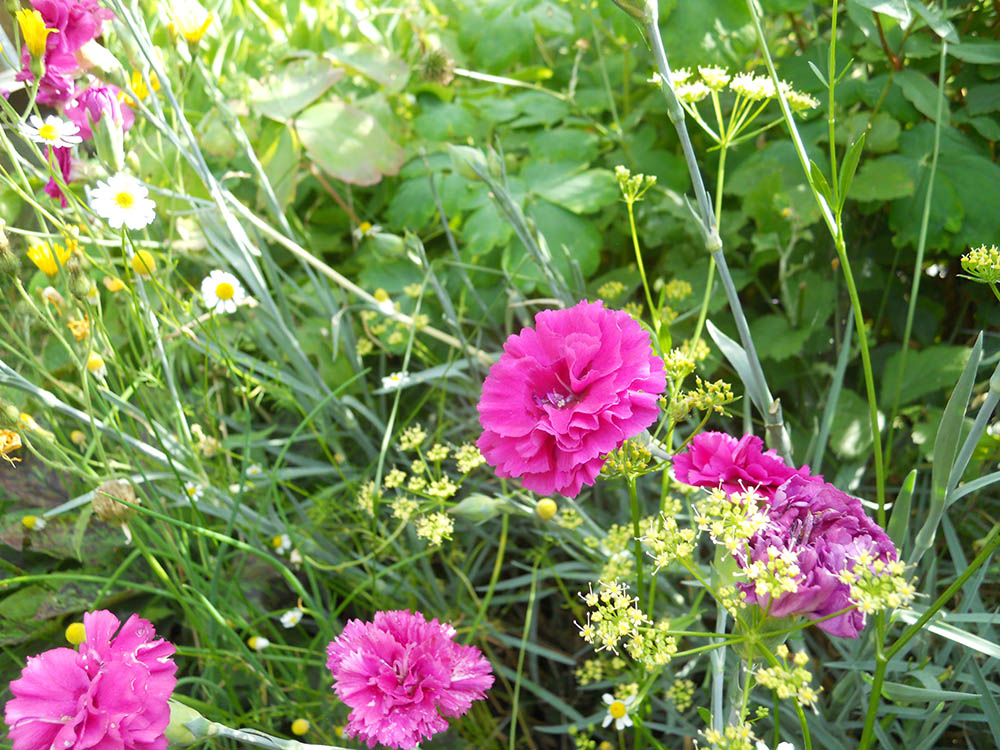
I would always recommend that if you decide to visit a herbalist or Naturopath, that you make sure that they have a very clear picture your health problem first before they prescribe any herbs or remedies. Any good herbalist will do this anyway, but it’s always good to check. This is particularly important for people with auto-immune diseases, because some herbs such as echinacea, while being good for people with under-active immune systems, is in fact dangerous for people with auto-immune diseases where their immune systems are already over-active. I use herbs that I know are safe for me, that are anti-inflammatory and calm down my immune and nervous systems. I also make regular visits to my acupuncturist who I’ve known for over 12 years. For me, acupuncture always helps calm down a flare, by supporting my organs to optimise their function.

As for the comment that the ‘psychological aspects of Lupus are bogus’, and ‘this is not a mental health illness’ I would beg to differ; depression features strongly for most Lupus patients.Yes, it’s not an illness that’s ‘all in our heads’, it is a real disease, but improvements to well-being such as managing stress (including emotional stress) has a notable effect on symptoms and pain management. It’s also an area that each patient can have some control over, making them feel more empowered in the midst of a bewildering disease. Using permaculture design tools such as zoning my life, monitoring my diet, and recognising helpful patterns has helped me to optimise my limited energy and resources (read more about this here). There is much evidence now that Ecotherapy boosts well-being and can help treat depression effectively. Here is a little film about a local Ecotherapy project (and here’s more about Ecotherapy).
I don’t believe that my gluten intolerance is another ‘fad diet’. It’s now been 18months since I gave up gluten completely and since then, my regular blood test show that my ESR (inflammatory marker in my blood) has decreased steadily from 30 all the way down to 8! I’ve noticed that I am flaring less, and I have more energy to do fun things, which has absolutely turned my life around! I no longer feel like the Lupus is in control, I feel like I’m finally the one in the driving seat! Hurray!

My nutritional therapist is in close contact with the pioneering work being done about gluten sensitivity. She says “There is now a new condition called ‘Non Coeliac Gluten Sensitivity’ which predisposes to autoimmune disease. Although different to Coeliac Disease, the treatment is the same: not even minute amounts of gluten are allowed as this triggers inflammation for 3 months! So cross-contamination is a real problem (bread boards, butter etc) and even products that might be contaminated with gluten (instant coffee!!). If you are interested in learning more about this, then get hold of the Gluten Summit lectures.”

So why are gluten sensitivities on the rise these days? Many doctors and researchers believe it’s all down to our toxic environment. The lining of our intestines absorb nutrients but also keeps out invading organisms, however the gut lining can be broken down by certain yeasts, NSAIDS, alcohol, heavy metals, free radicals, and chemicals, causing ‘Leaky gut syndrome’. These substances are often present in our foods, the drugs we take for a headache, and in our water. This is why I choose a gluten free, organic whole foods diet, and I avoid alcohol and processed foods (usually containing artificial flavours, colours, preservatives, sugar and trans-fats). I make sure the meat and dairy I eat comes from organic or additive free, free range, grass fed and cruelty free sources, and I filter my water. All these measures have had a positive effect on my health, and the proof is in my blood test results.
At my last appointment in December 2013, my consultant said “Carry on doing what you are doing, it’s working! And you aren’t on any medication, which is great. This time I’ll see you in 9 months instead of 6.”

It was so good to get feedback from you and to hear how you are managing your own health problems. Do leave comments here or on my Facebook page. Thank you!
We have Lift-Off!
WE HAVE LIFT-OFF!

I have to admit to feeling on a bit of a high after last week. So many fantastic things happened that I feel like someone put rocket fuel in my tea!

First of all I went to watch a film called ‘The Clean Bin Project’ at my local community centre (you can watch the youtube trailer here), and I was inspired to sign up to ‘Free February’ where I will be attempting to go ‘plastic free’ for a month. I’ll be observing the kind of challenges we face when we try to live without plastic and I’ll be blogging about it.

The following night, was the launch of my community food growing project called Real Food Hollingdean, where I gave a presentation of the history of the project. It was while I was doing my permaculture diploma that I came up with the idea for a project that created food growing systems right on people’s doorsteps. The inspiration came when I was thinking about all the government cuts on welfare, and how people were really feeling the squeeze as food and fuel prices continued to rise, and I wanted to make a difference in my own community in Hollingdean. We’ll be starting to create the first ‘Real Food’ garden on Saturday in a large front garden. I was left buzzing after this event, because we had such a positive response, and although I’m not an experienced public speaker, the message was so strong that I was also invited to speak at two more events!

The next day (after a long lay-in!) I attended a conference on Ecotherapy at the University of Brighton, which was so inspiring. I made links with other local projects who use outdoor activities therapeutically, and who want to learn more about permaculture, so there will be more about this in future blogs.

And finally, my latest article was published on the Permaculture Magazine online site; ‘A permaculture approach to optimum health‘. I’ve had so many interesting and supportive comments and feedback through the site, Facebook and email, that I feel like I’m walking on air! The most affirming are those who are also managing their own auto-immune diseases through a complementary approach; I had no idea that there were so many of us out there! I actually wrote the article in November last year, and since then I have seen some significant improvements to my health, that I want to blog about this week, so watch this space! (And you can receive updates by liking my page on Facebook here).

Recording Observations

RECORDING OBSERVATIONS

Permaculture is a design system that is born out of observations. When we spend time carefully observing how Nature’s systems are resilient to change, are diverse, and are self-cycling and self-perpetuating, we can attempt to apply these same concepts to our own lives. The first stage of any good permaculture design involves the SURVEY stage, which for land based designs is ideally a year or more. This is also true when designing for human systems, such as our own health and wellbeing. We first need to record our observations about our own natural patterns over a period of time, so that we can refer back to this data, to analyse it and draw out ideas for our design. In an article I wrote for Permaculture Magazine I talk about how I created a design for my own health and resilience using the data I recorded. You can see the article here.

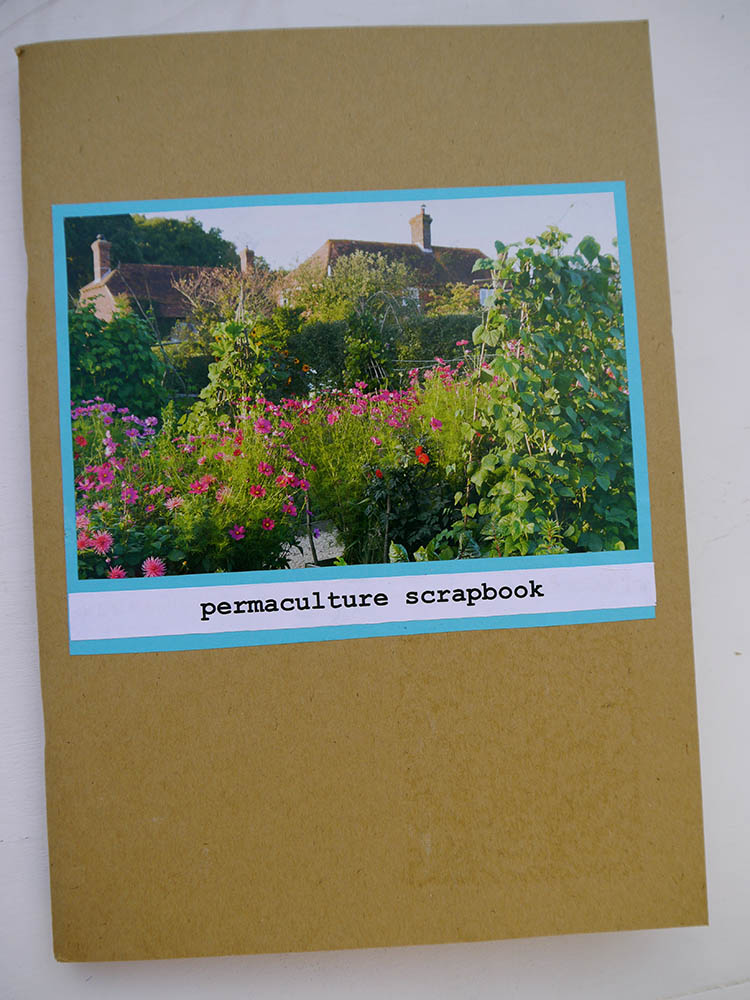
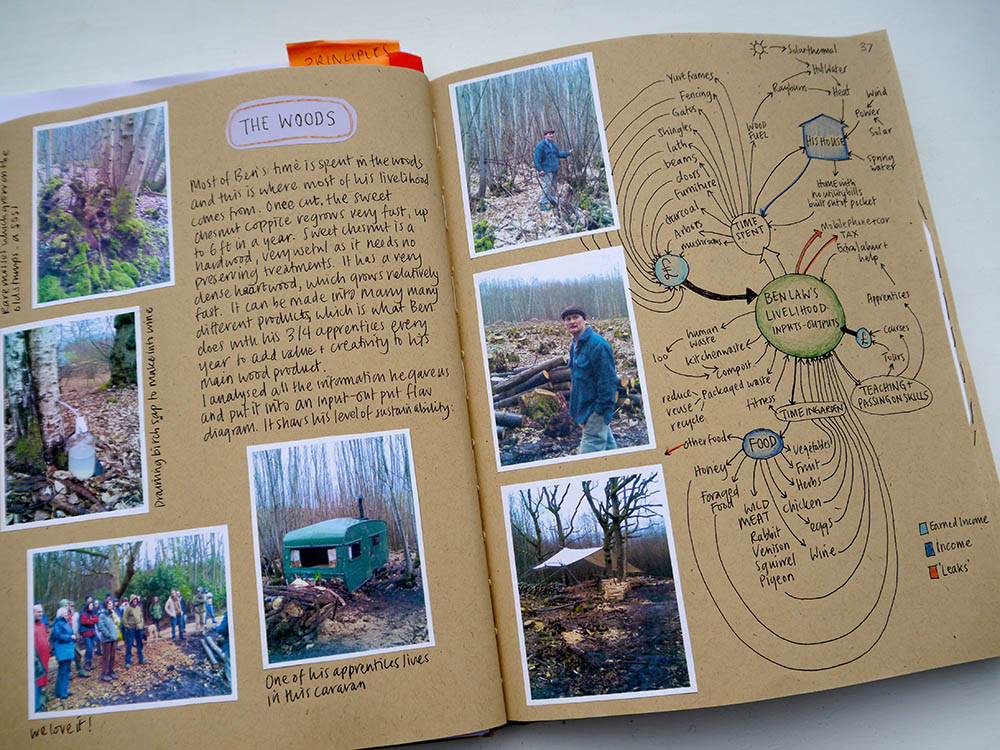
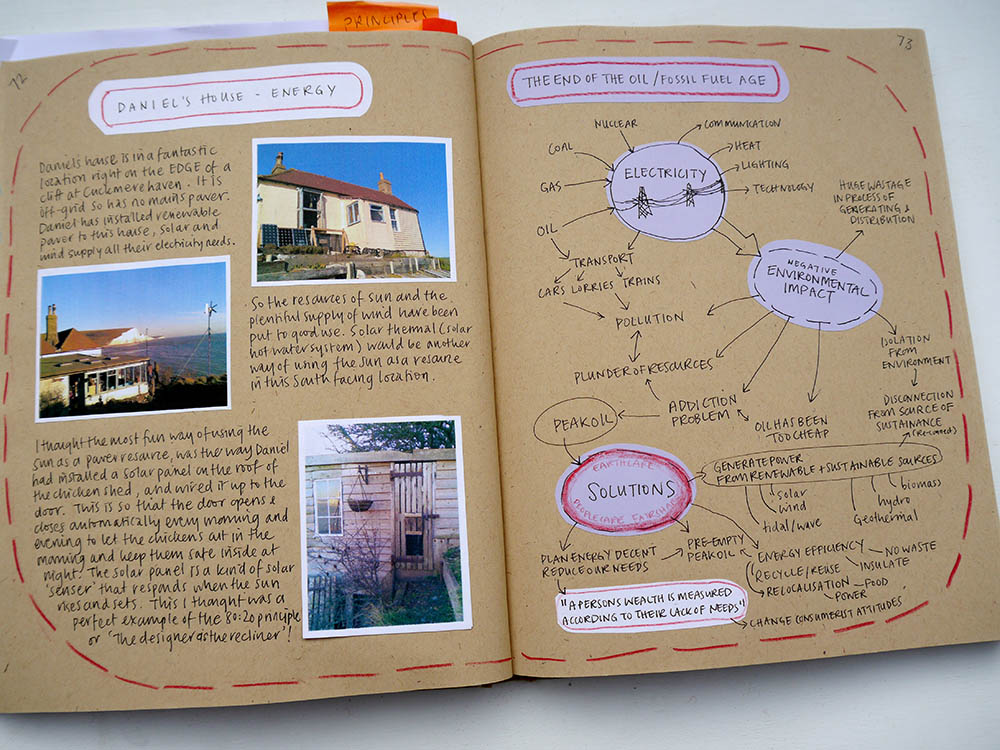
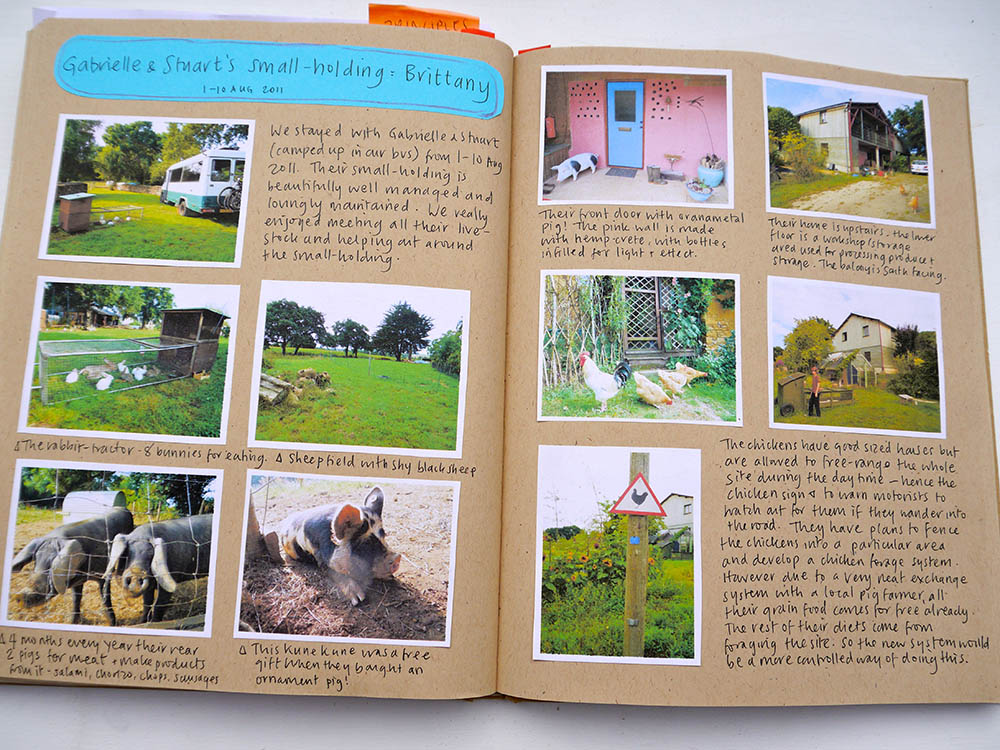
I like to record information I’ve observed about the world around me, in the form of a permaculture scrapbook. My scrapbook is a place to gather interesting newspaper and magazine articles, my notes from training courses, photos, thoughts and observations about projects I’ve visited, and my own permaculture design processes.

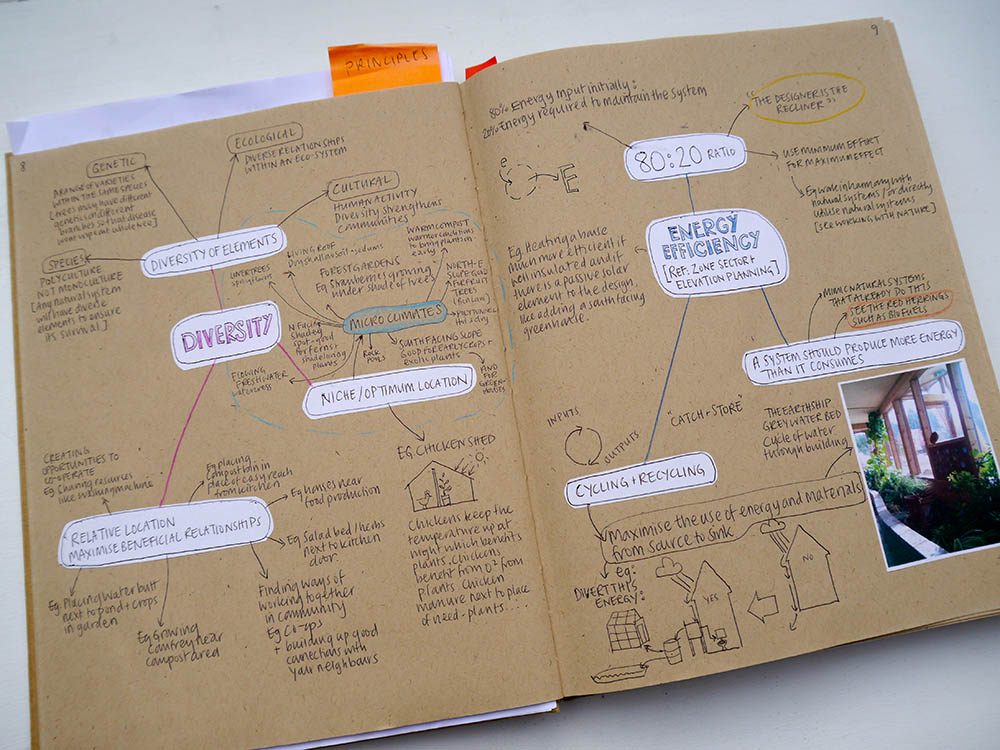
I’m a very visual thinker and learner, so I record my scrapbook data in the form of colourful mind maps, drawings, photos and collages. This also makes it easier to refer back to, as the data is easy to find without having to trawl back through lots of long tracts of text.

I first started working this way when I did my permaculture design certificate at Brighton Permaculture Trust back in 2008. In order to be accredited with the Open College Network for this 72 hour course (spread over 4 months) we needed to create a portfolio. I initially decided that I wanted to do the course for fun, and not worry about creating a portfolio, and instead I started keeping a scrapbook where I recorded my notes and photos. Near the end of the course when I showed my course leaders the scrapbook, they insisted that this WAS a portfolio, and that I should go for accreditation; so I did, and then I went on to complete my diploma in the same way too.

The reason I’m writing about this is because I think that to be able to observe, record and present things in an easily accessible format is an important skill to develop; it’s a way that we can make sense of the world around us, and make these observations useful. We live in such a disordered and unbalanced world that we need to find ways of making sense of it, to be able to learn from our mistakes, and to then be able to formulate new ways of being that are healthier and more life-sustaining for ourselves. This is why I find permaculture so helpful.

So you might ask ‘How do you decide how you are going to record and present the data on each scrapbook page?’. This is a good question, especially as a blank white page of paper can be very daunting to fill, and it’s the reason why I always use scrapbooks with brown pages (so much less daunting!). Well it depends on the data you’ve collected. If I’ve made some notes at a meeting that I want to refer back to, I’ll draw a mind-map of the main points on coloured paper, and use pictures torn out of a magazine to illustrate the theme of the notes. Obviously it helps to have a stack of old magazines, some coloured paper, scissors and a Prittstick handy to do this.

If I want to record a visit to an interesting permaculture project or garden, then I’ll simply print out some of the photos and stick them in, along with my thoughts, feelings and observations.

As a starting point for presenting my thought processes, I usually make my notes on a scrap piece of paper, usually in the format of a mind map, using permaculture tools (such as the ones I mention in old blog called PERMACULTURE DESIGN here). Then I draw out the mind map neatly on the scrapbook page, adding colour with pencils or coloured paper. This way, it’s very easy to refer back to and quick to retrieve information.


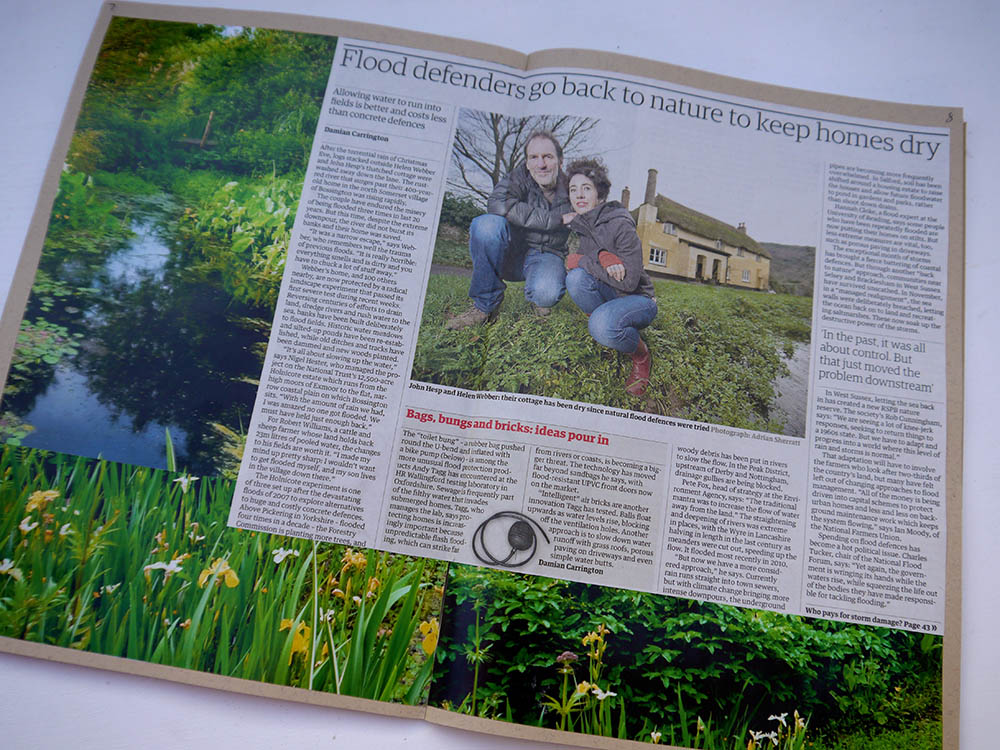
Here is one of my most recently created pages in my scrapbook. It’s a collage which includes an article from The Guardian about how ‘going back to nature’ provides the best solution to the problems of flooding (you can read the article online here). It’s a very interesting article because it shows how many problems occur when you don’t really spend time observing a system before imposing changes to it. River valleys are supposed to flood; it’s what they are designed to do. It is the nature of water sheds to catch rainfall and to allow it spend as much time as possible on land before meeting the sea, seeping into tree roots, filling ponds, flooding water meadows and flirting with flood plains as it meanders gently around wide river valleys. There’s nothing that water likes to do more, than hang around on land, while gradually making it’s way downhill towards the coast. But there has been a proliferating mindset over recent centuries, that nature needs to be contained and controlled, and so efforts were focussed on getting rid of the water as quickly as possible, through draining land, dredging rivers, and rushing the water towards the sea. Unfortunately, this mindset has caused more floods than it’s prevented, particularly now with extreme weather becoming more frequent, with many towns downstream regularly becoming victims of the excess water pouring so quickly of the surrounding hills.

Thankfully, through observations of natural hydrology a solution has been found: banks have been built to deliberately flood fields upstream, historic water meadows and silted-up ponds have been re-established, old ditches and tracks have been dammed, and new woods planted. And as you’ll read in the article, homes were protected from flooding by this new landscape experiment during the recent weeks of extreme weather. This certainly demonstrates the power to be found in good observation of nature, and then applying the lessons learned. Sounds like permaculture to me!

How do you record your own observations? Could you use a scrapbook or use social media such as Facebook or Pinterest to collect images and information? If you have any questions or comments about this, do leave a comment on my Facebook page here.


Grow and Cook

GROW AND COOK

Happy New Year to you all!

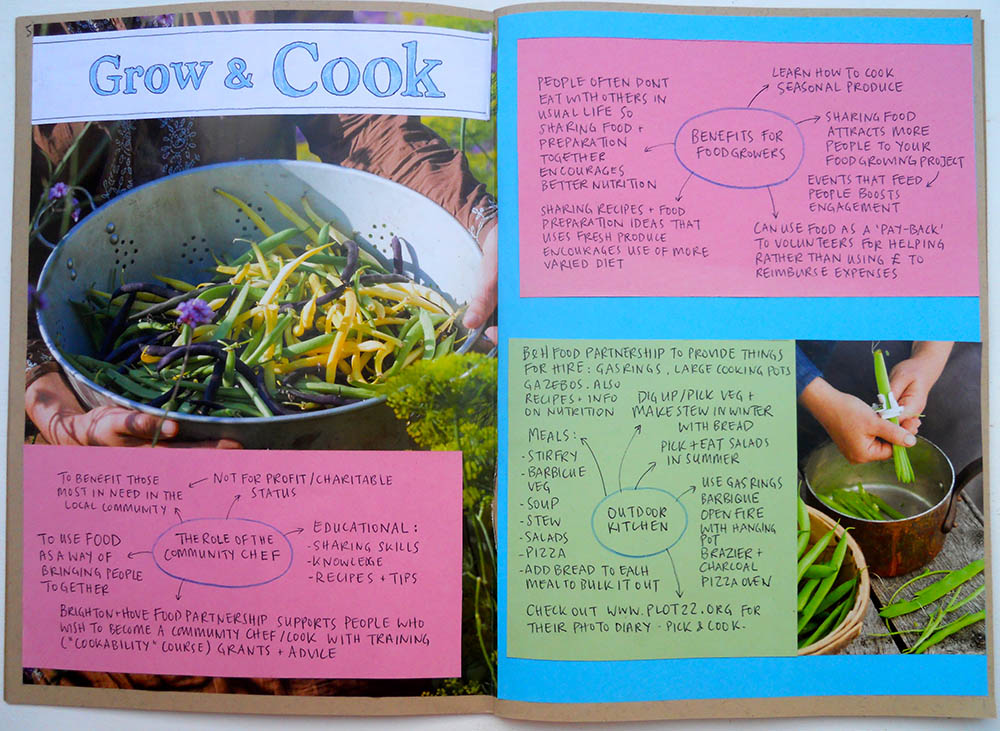
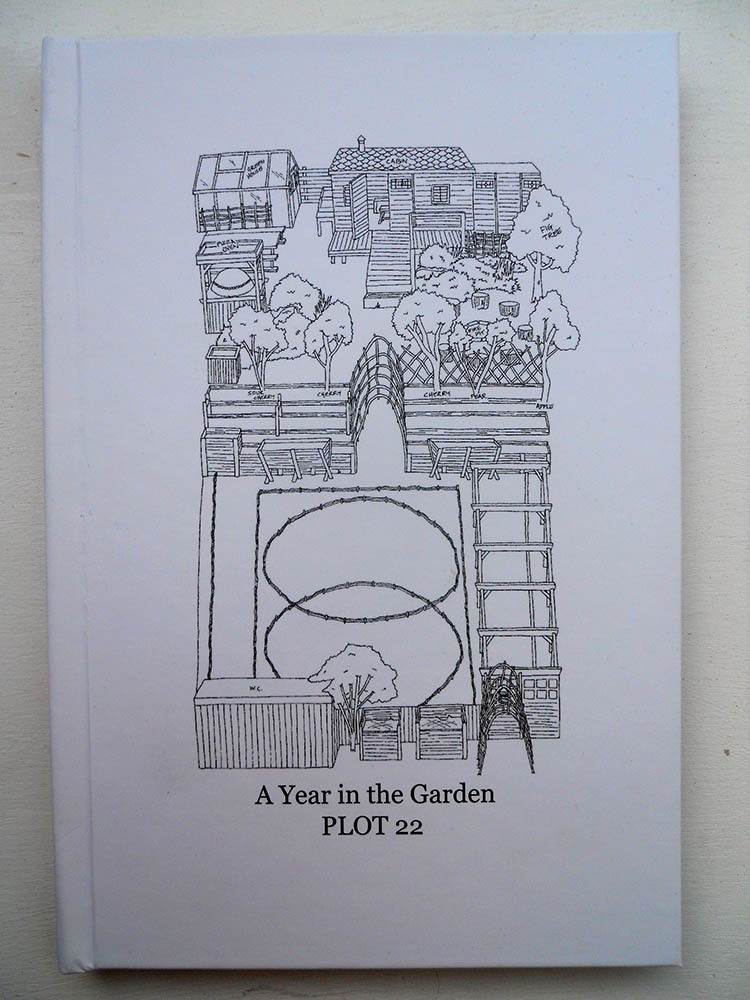
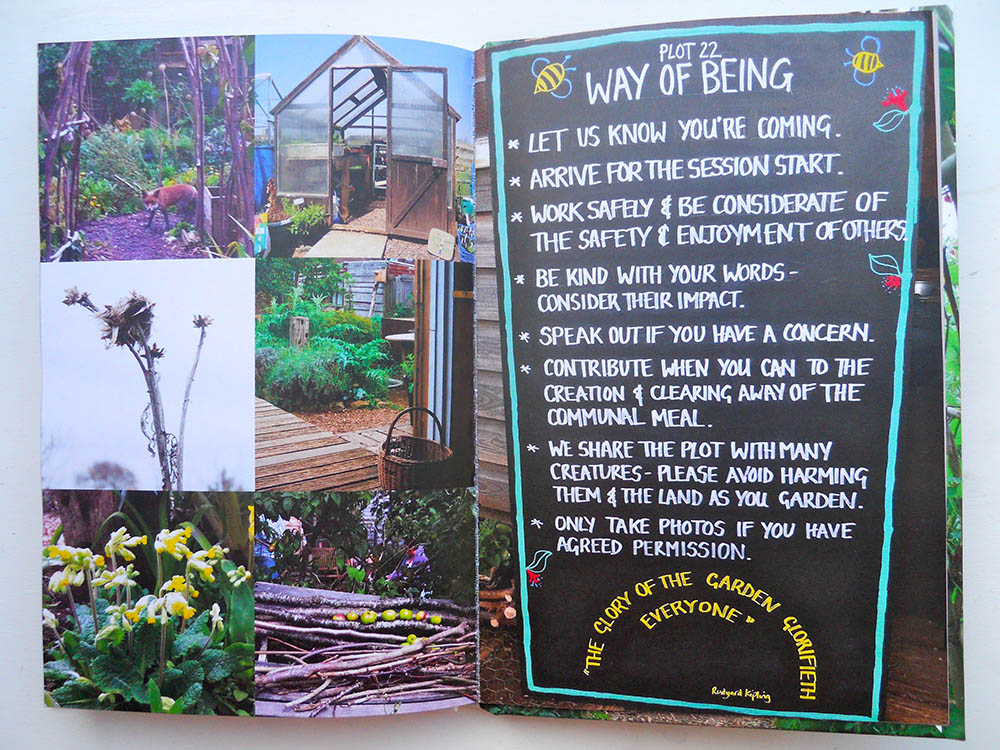
I hope you had a good break over the festive season? Any exciting presents? I had one inspiring present that I’d like to share with you. It’s book called ‘A Year in the Garden PLOT 22′ and it deserves some explanation.

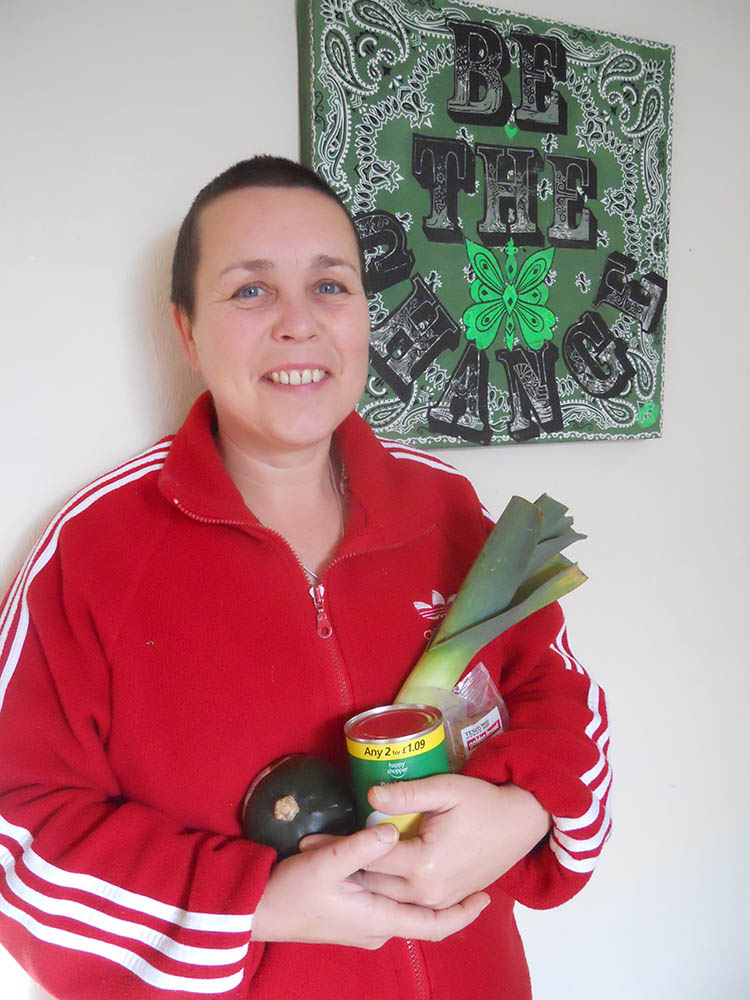
Before Christmas I attended an event organised by Brighton and Hove Food Partnership called “Soup and Share”, where people who organise community food growing projects could meet community chefs, and brainstorm together about how we can link these two aspects together in the city. It was well attended by both food growers and cooks, and I found that preparing soup together -chopping veg while the community chef transformed the ingredients into delicious soup right there and then- was a very relaxed and natural way to meet and talk about our projects. Of course we then had the bonus of eating the soup together too.

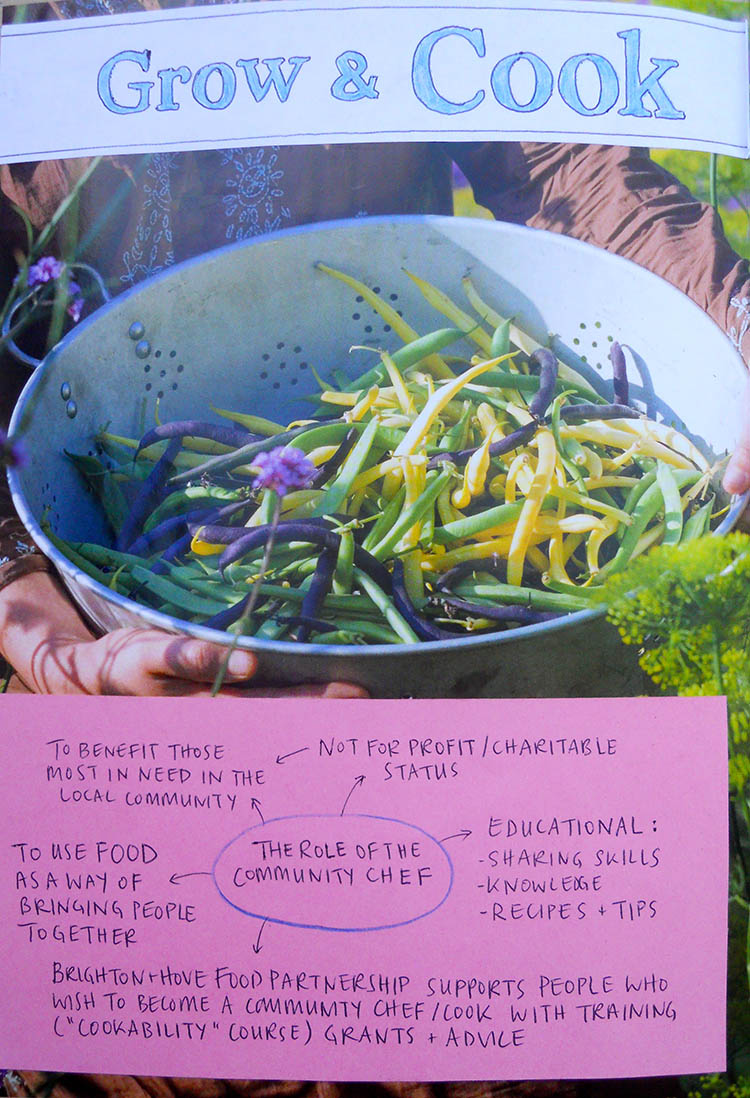
We talked about the role of the community chef and how they can benefit their local community in ways I’d not thought of. It hadn’t occurred to me that many people live alone and don’t normally eat with other people, and so by coming together and preparing food and eating with others, they are encouraged to eat fresh ingredients that they would not necessarily have thought of trying before, thus improving their nutrition. Another factor is the improvement to mental health that occurs when eating and spending time with others in a nurturing environment. It also has a positive impact on food poverty; those most vulnerable in the community get to share a healthy nutritious meal for free in return for their time helping in the garden. It’s a win-win.

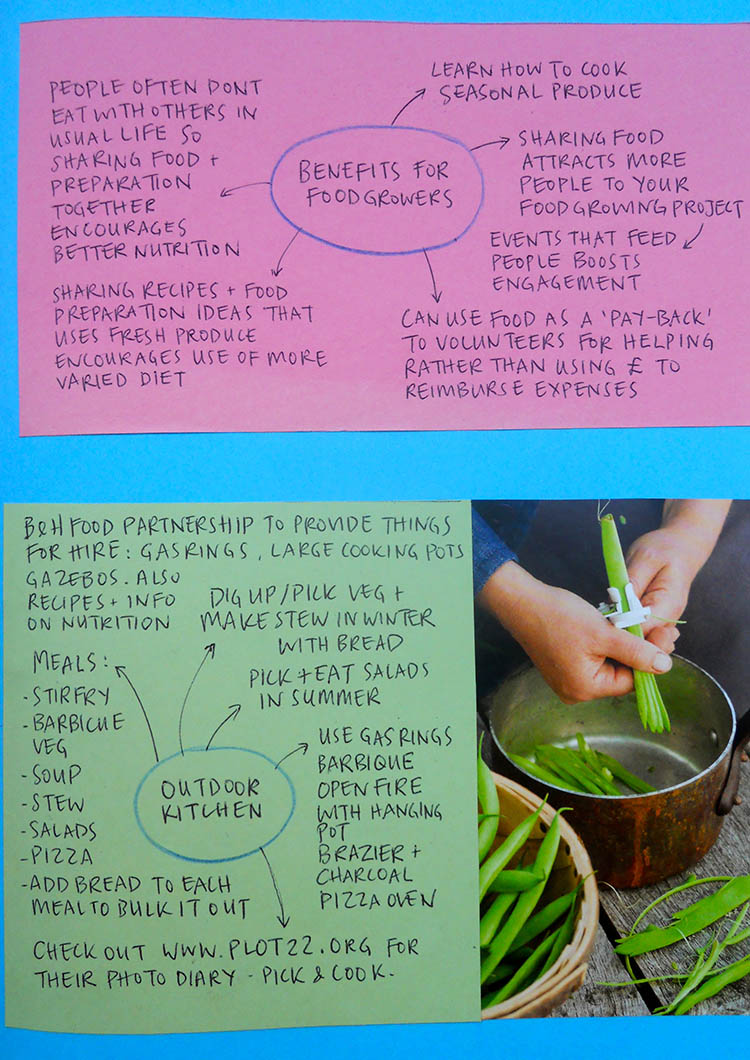
We also talked about the benefit that food-sharing can have on a community food growing project. I found out that events that feed people tend to boost engagement and attracts more people to your project. It helps growers to learn how to prepare and eat the seasonal food that they grow so that they can make the most of their produce (how many growers have grown an unusual vegetable such as the Asparagus Pea or Jerusalem Artichoke and then not known how best to eat it?!). Sharing food can also be a good ‘payment in kind’ for volunteers, as a way of reimbursing their expenses rather than giving them money for a bus fare for example.

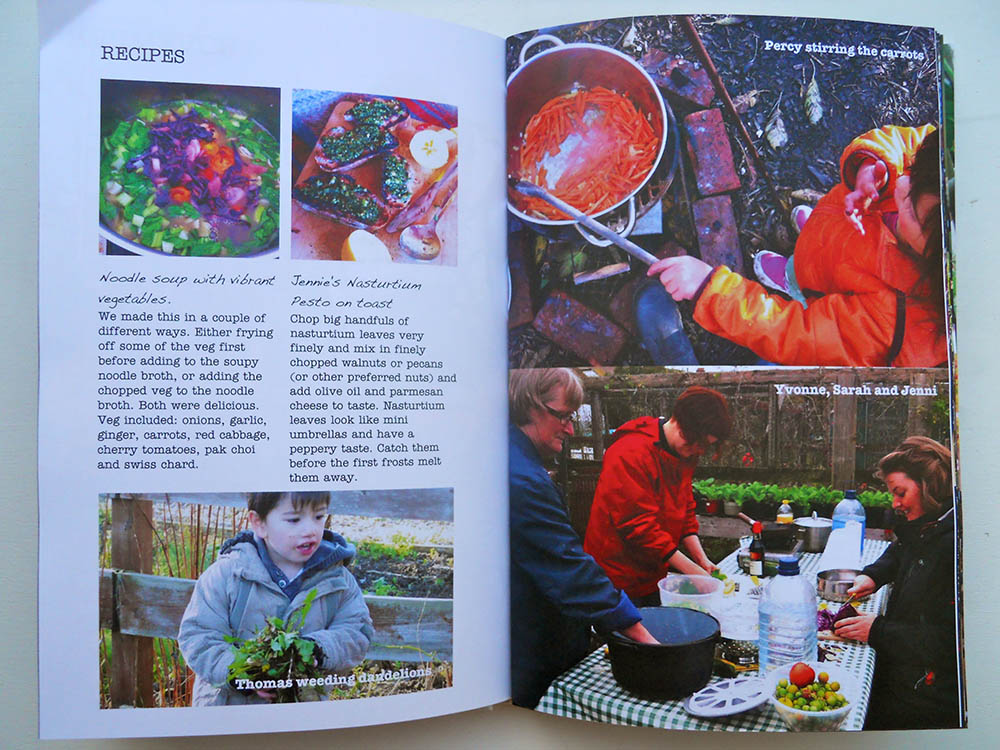
It was around the table whilst eating our soup that I met Emma from Plot 22. She talked about her inspiring project on their Hove allotment. Their community plot holds Garden Sundays once a month, where they garden and then cook together over the fire using produce picked from the plot. Over the past year she had collected pictures of the plot along with recipes of the freshly picked produce they’d eaten together, and put together a beautiful photo diary of their year together, which is the book I got for Christmas.

Emma also talked about the types of things that helped her initially when setting up Plot 22; she went to a ‘Pick and Cook’ session at Moulescoomb Forest Garden in Brighton, where she learned about how they organise volunteers and how they cook their produce outdoors using a brazier, pizza oven and the open fire. Training is also available at B&H Food Partnership for those with an interest in becoming a community cook called Cookability. She also gained confidence in the types of meals that could be prepared and cooked outdoors, which inspired many different meals on Plot 22 such as soups and stews in winter, stir fries, salads and barbecues in summer, all served with bread, and the occasional pizza or roasted veg in the pizza oven. On bright days, they always eat outside, in foul weather they retreat to a little cabin and cook over the wood burner.

It was inspiring to hear about Emma’s project along with the others I heard about that day, and it certainly got me thinking about how we can introduce some of these elements into our own community food growing project Real Food Hollingdean. It’s so important in these times of austerity that we can introduce elements of hope into our local neighbourhoods, with the amount of people needing to use food banks increasing as well as the amount of mental health problems too. The permaculture ethics of Earth care, People care and a Fair share for all, can all be implemented in projects like these, offering solutions to the ‘meltdown’ that’s currently being felt globally in terms of financial, social, and environmental problems.

 I hope it has left you feeling inspired too? There might be food growing or food sharing initiatives in your area that you could offer your skills on? Or perhaps you already do, in which case I hope I’ve inspired some new thoughts and ideas for 2014.

Waste not want not

WASTE NOT WANT NOT

Food waste has a huge negative impact on the environment. According to ‘Love Food Hate Waste’, worldwide about one third of all food produced get’s wasted in the food production and consumption systems. Aside from the cost implications, all the land, water, fertilisers and labour needed to grow that food is wasted too.

People in the UK are leading the way in tackling food waste in their households, cutting it by 21% over the past five years according to WRAP. This is great, but if we are still binning around £60 a month’s worth of food, clearly we still some way to go, so when I heard an intriguing story about a woman called Mel Rees, who was taking food waste reduction to a whole new level in her own household as well as in her community, I had to go and investigate.

Mel lives in Hove and is a director of The Green Centre in Brighton, a not-for-profit community interest company that educates people about environmental issues. She told me that she first had the idea for her food waste reduction project 5 years ago, but the catalyst that put her thoughts into action came through watching a film called The Clean Bin Project when it was recently screened in Brighton.

She told me, “One Monday morning I woke up and decided that I would not buy any more food until I’d used up everything that was in my cupboards and the fridge. And then I proceeded to look through the contents of the fridge with a feeling of trepidation as I remembered I hadn’t been shopping recently, and realised it wouldn’t last very long!” However, she decided that she was up for the challenge and this kick-started her fascinating journey into the unknown.

Initially she decided on three basic rules in order to cut down on her own food waste:

  • No buying food or drink to bring home (and to eat everything left in the kitchen)
  • It’s OK to eat out if meeting a friend for lunch somewhere, or if invited to a friend’s for dinner
  • Not allowed to ask anyone for anything

Later she added a fourth rule which was something she hadn’t anticipated happening:

  • It’s OK to accept other people’s food waste

At first she was only aiming to use up all her own food, but within a few days her food waste experiment had come up in conversation with her friends and neighbours, who then felt inspired to offer her their own food that was wasting away at the back of their fridges and cupboards, and so this is how Mel realised that her project had grown, now spreading awareness in her community about food waste issues. Brilliant!

Food just seemed to find it’s way to her from unexpected places: Friends with allotments gave her their surplus vegetables; friends who were going away and had food that would spoil in their fridge donated it to her so that it wouldn’t be wasted; a friend gave her a free veg box voucher for Able & Cole; her sister being so inspired by her experiment sent her a supermarket delivery; the shop closing down next door gave the Green Centre all their old stock of tins of food, which were shared out between the members.

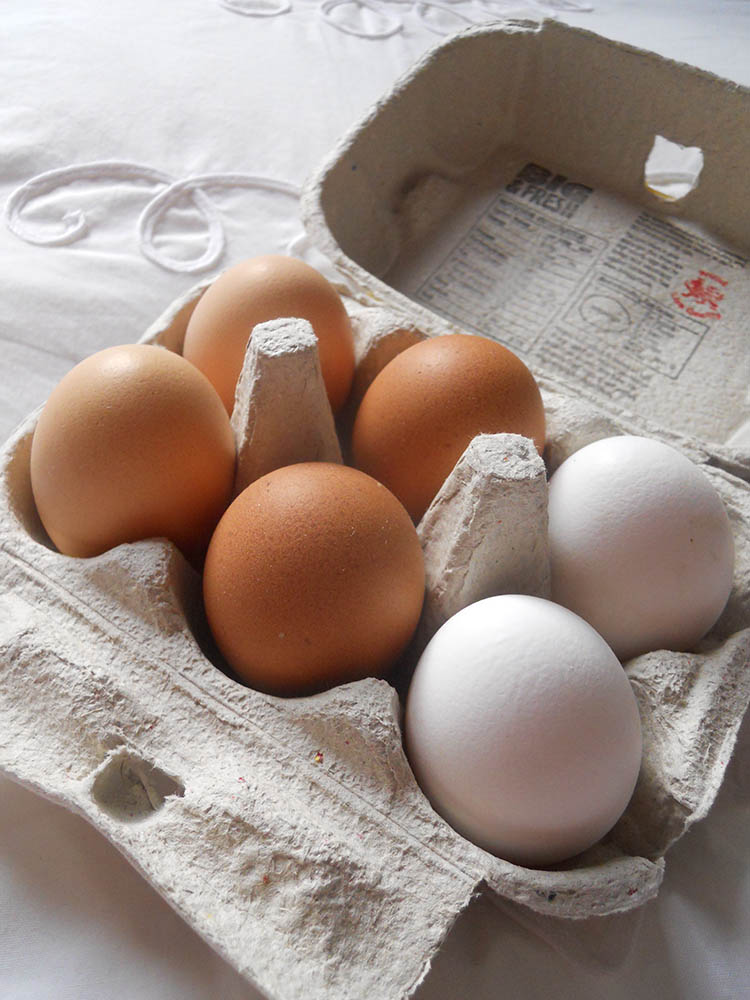
“I’m now on day 71 of my experiment, and I still haven’t had to buy any food!” she told me, “And I’m now going for the target of 100 days!” So has she had to compromise her nutritional intake in any way? “No!” she said. “I’ve been given lots of fruit and veg, and good food -just going out of date.” Admittedly she’s had to be a rather creative cook, making up unusual recipes from the limited contents of her fridge, but has enjoyed the challenge so far. One day she was eating fried tofu for breakfast when she thought to herself “I really miss eggs actually. Would the Universe send me some eggs please?” and (this really happened), that same morning she met a lady for the first time, who’d just started using the Green Centre to run a course, and low and behold she had brought her a gift of half a dozen eggs from her own hens! What makes it rather incredible is that this lady had no idea that Mel was even doing her food waste project!

It seems to me that if you dare to take a leap of faith, a certain kind of magic can and does happen, as this story illustrates.

So how does Mel see herself proceeding after she’s reached day 100? “Well I’m going away for a month as usual over Christmas to see my folks in Wales”, she said ” and so when I return I shall start a new food project; living on one pound a day (seven pounds a week) to spend on food shopping. For everything.” And she knows she can do it.  She has also spent time in her garden creating raised beds in preparation for growing some food in the Spring, to supplement her diet with fresh greens. “I plan to use the square-foot gardening approach,” she told me, “I’m no gardening expert and I find organising the growing season rather overwhelming, so I’m hoping this approach will help me.” So I think I’ll be paying her another visit in the Spring, so that I can offer her some gardening help and advice, and to see her square foot garden in progress.

I’ve come away feeling very inspired by Mel and her food waste project. I think it shows that we can in fact live on a lot less, but it helps if we are creative and able cooks, we’re mindful about using every resource wisely, and we have a good network of friends to share resources with. Perhaps this is the model for a more balanced and mindful future?

If you’ve been inspired and want to find out more, then here’s some good news: The Clean Bin Project is coming to Brighton and the movie will be screened at 7pm on 22nd January 2014 at the Hollingdean Community Centre on Thompson Road. Hope to see you there!

Earthing ourselves

EARTHING OURSELVES

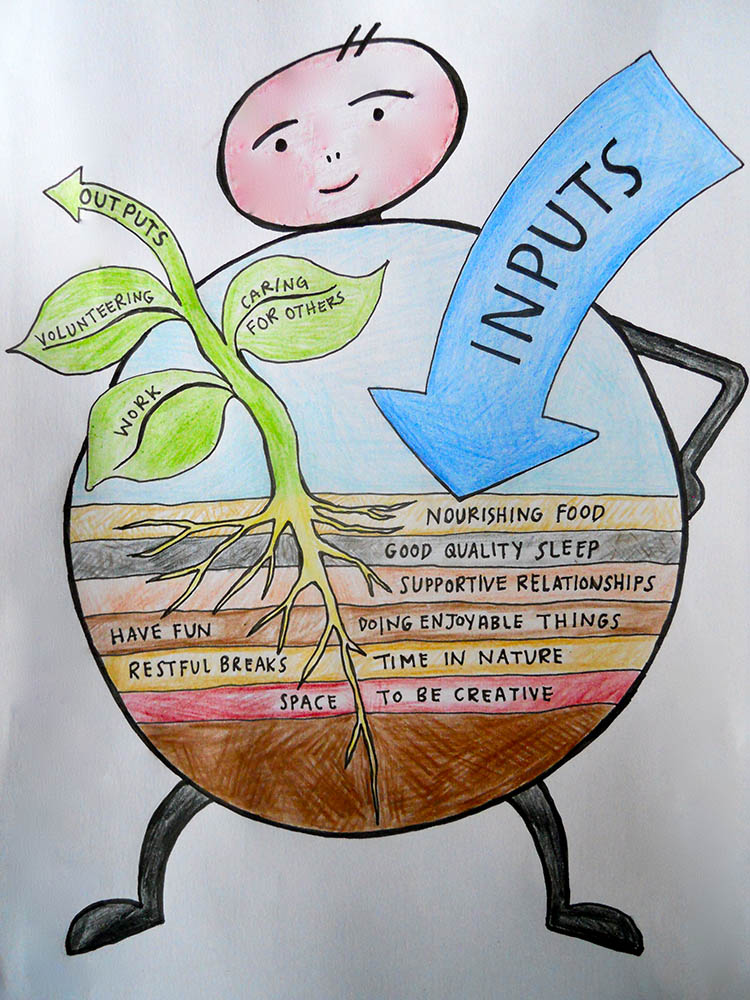
Over the past month I’ve been busy writing a new article for Permaculture Magazine. In this article I use some parallels with permaculture gardening techniques to illustrate ways in which we can be creating more resilience to our health. The general idea is that if we think of ourselves in terms of a ‘system’, then we can begin to use permaculture design tools such as ‘catch and store energy’ to our advantage.

To illustrate this concept of ourselves as a ‘system’ I’ve created a funny roley-poly man, to show how our inputs need to be greater than our outputs in order to build our health and resistance to disease.

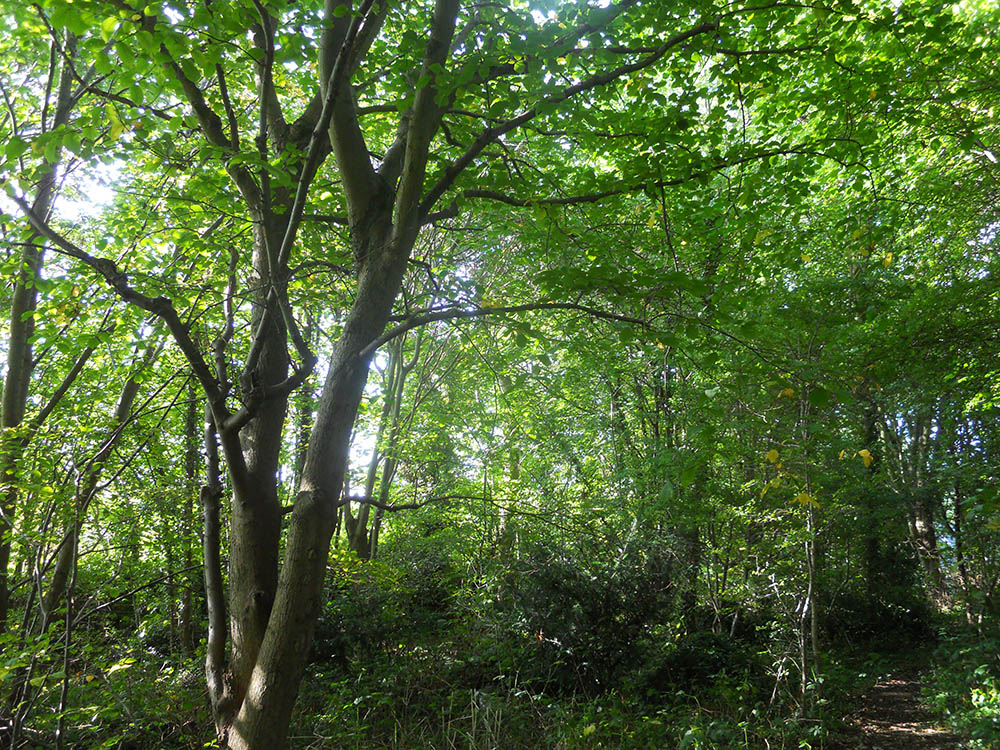
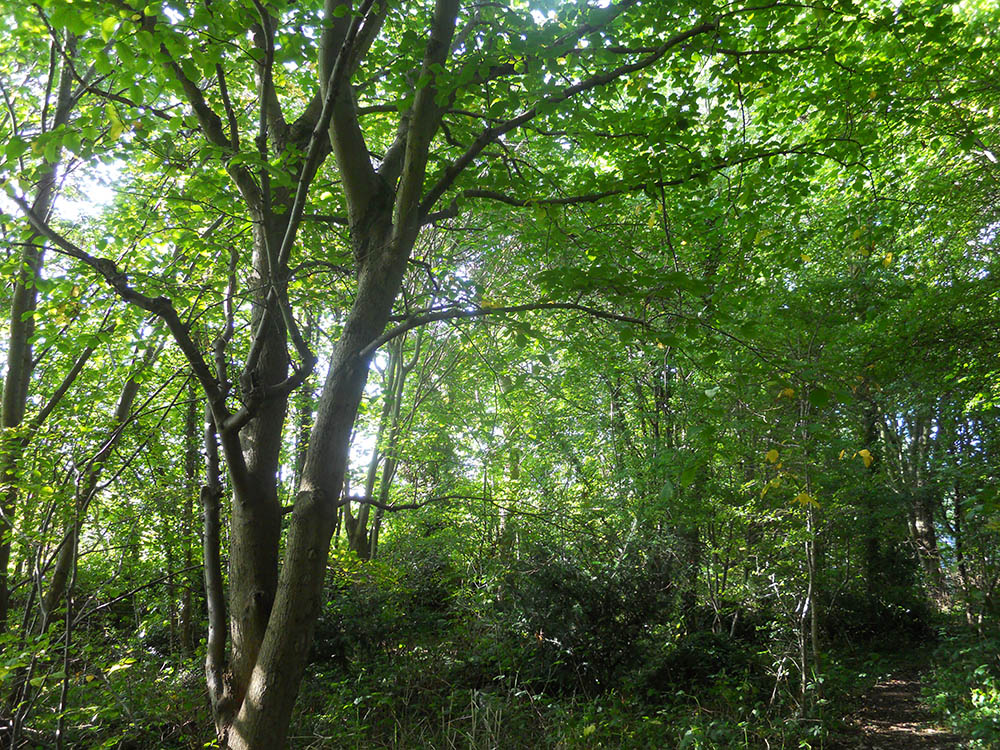
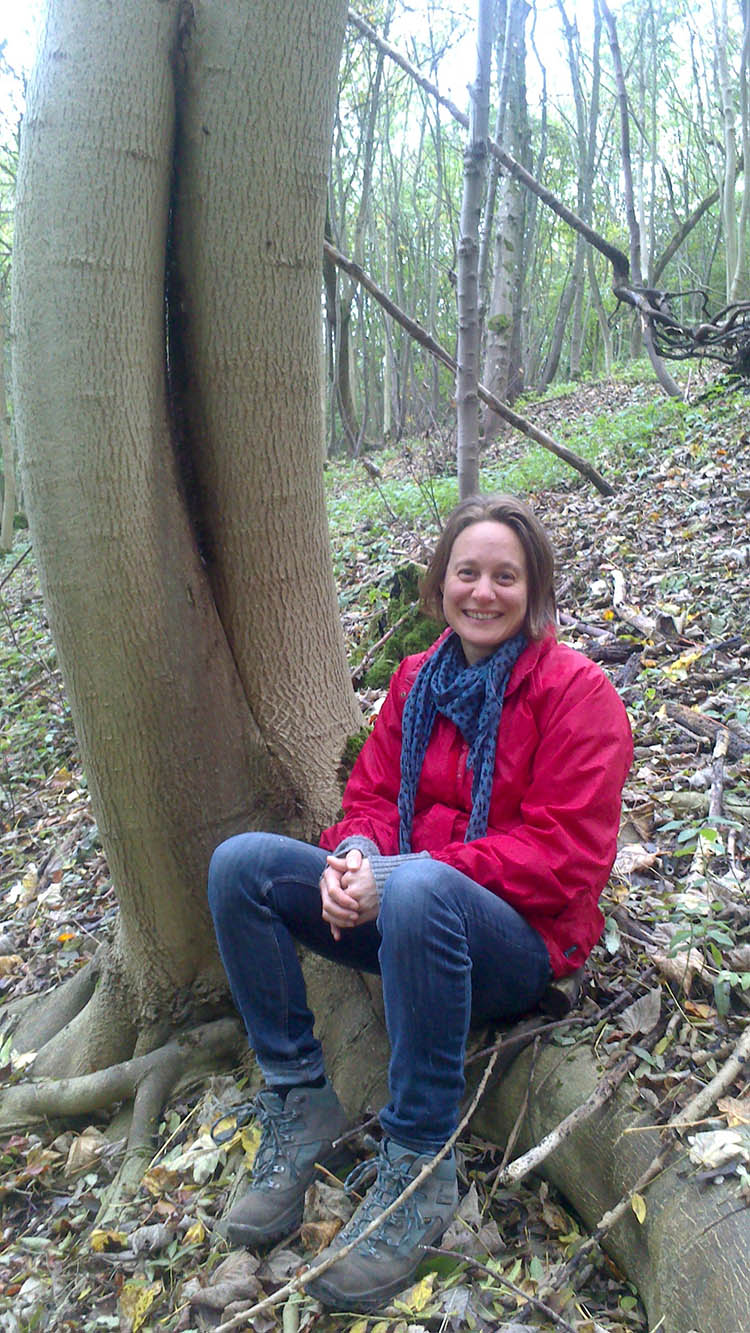
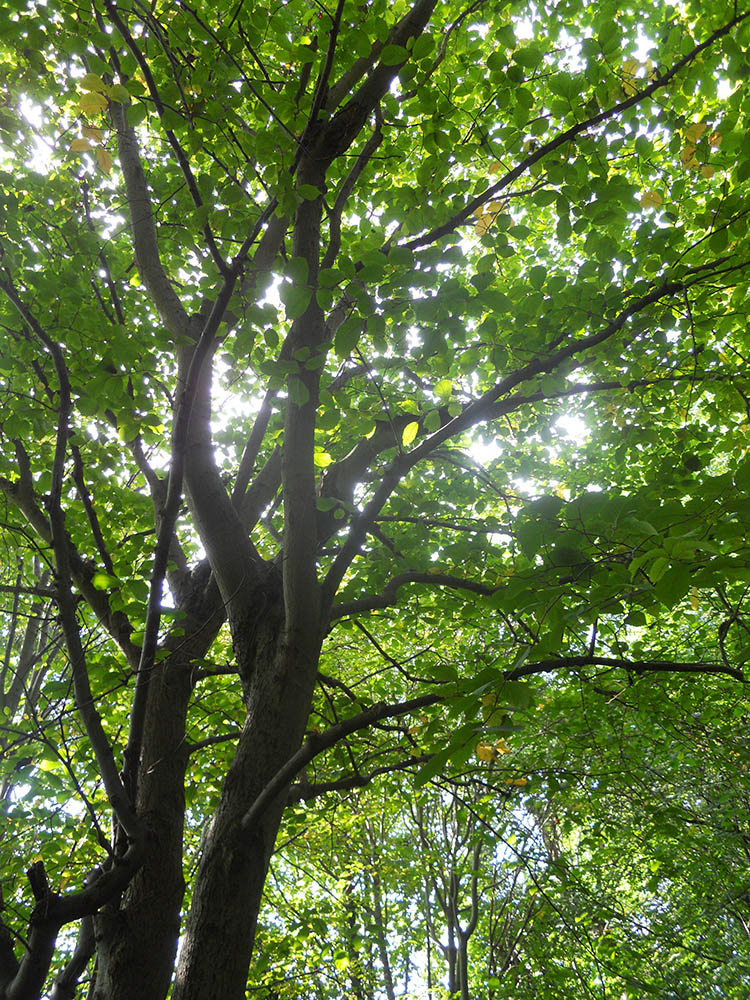
One of the things I do to increase the ‘inputs’ into my ‘system’ is to spend regular breaks in a natural environment, preferably walking or doing tai chi. I am very fortunate to live on the edge of the city, so I can regularly walk out of my door and into a little wood nearby to get my ‘Nature fix’. Here is a picture of the place I love to go, I spend a lot of time near this elm tree, watching it change from season to season. I consider it as a friend; if I’m feeling strung out, I only need to go and stand by it for a while, sometimes hugging it, and I feel a whole lot better.

I’ve recently been finding out about ‘earthing’ or ‘grounding’, which is the concept that the Earth has a negative electrical charge that we all benefit from being in contact with. Unfortunately, over the past 60 years it’s been harder and harder to do this easily, and one big factor is that all our shoes are now usually rubber soled, preventing the ‘earthing’ to occur. This means that we are not able to discharge our stressful positive charge into the earth, without first taking off our shoes and walking bare foot on it. Another factor is that this discharge also cannot take place on concrete or tarmac, which is a bit of a problem in urban areas. So I’m guessing that hugging a tree is a good way to ‘earth’ our energy if it’s too cold to take off our shoes.

I always feel better for spending time in Nature, and even better for being in direct contact with the earth, whether through gardening, walking bare foot on the grass, laying down in the woods, or paddling in the sea. I’m sure you’ve noticed this too, so I think this idea about ‘earthing’ or ‘grounding’ must have some truth in it. I’d love to know what you think about this, and what your favourite ways of getting into direct contact with Nature are.

Jam Making

JAM MAKING

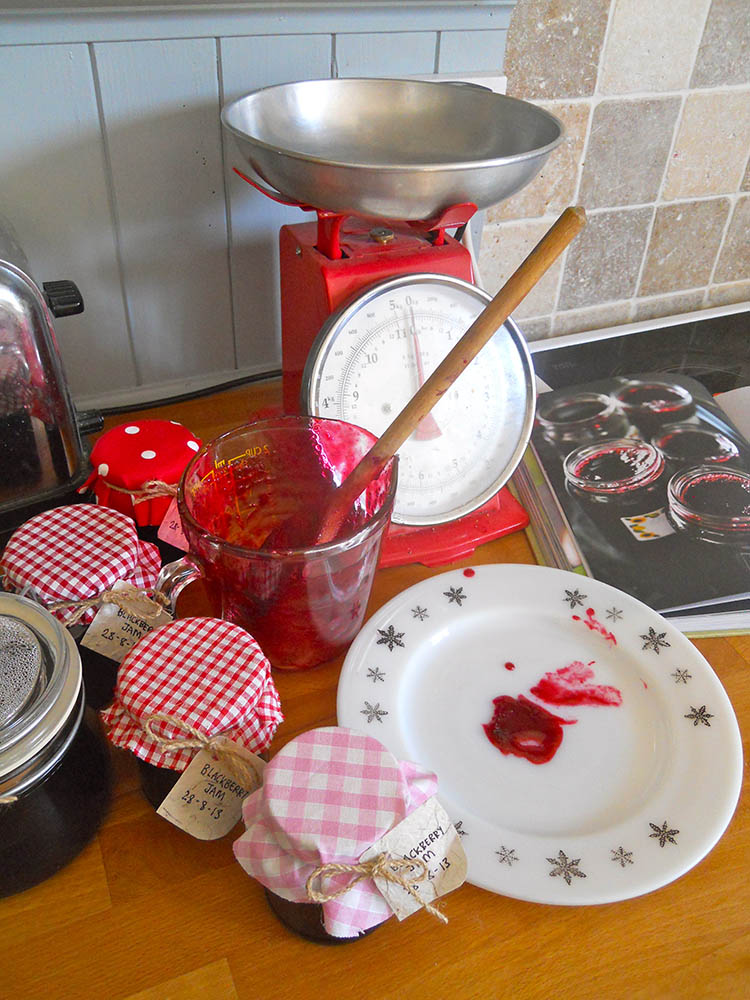
It’s that time of year when the hedgerows are beginning to burst full of delicious free berries and fruits, and this year I was determined to make the most of my foraging experience. I’d never made jam before, mainly because it takes shed loads of sugar to make it, and I don’t eat a lot of sugar in my diet as I find it inflammatory to my system. If I eat too much sugar over a few days, my symptoms tend to increase with greater amounts of joint and tendon pain, so I tend to avoid it. However it occurred to me earlier this week that my kids especially love to eat jam on toast, and so why not make some -preferably with them helping too?

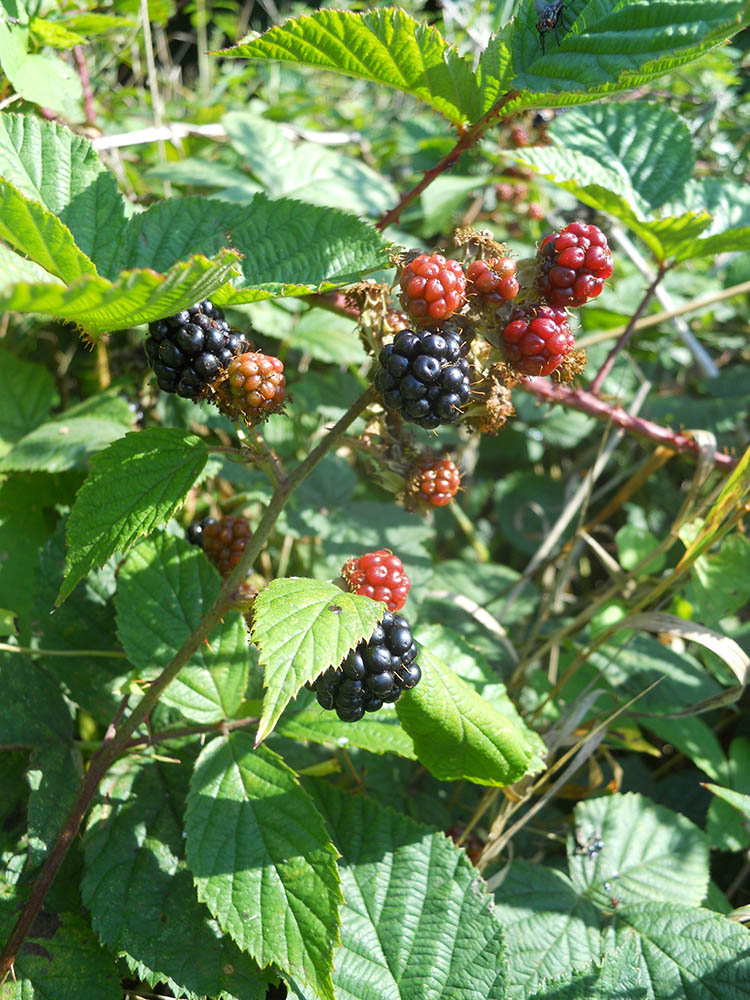
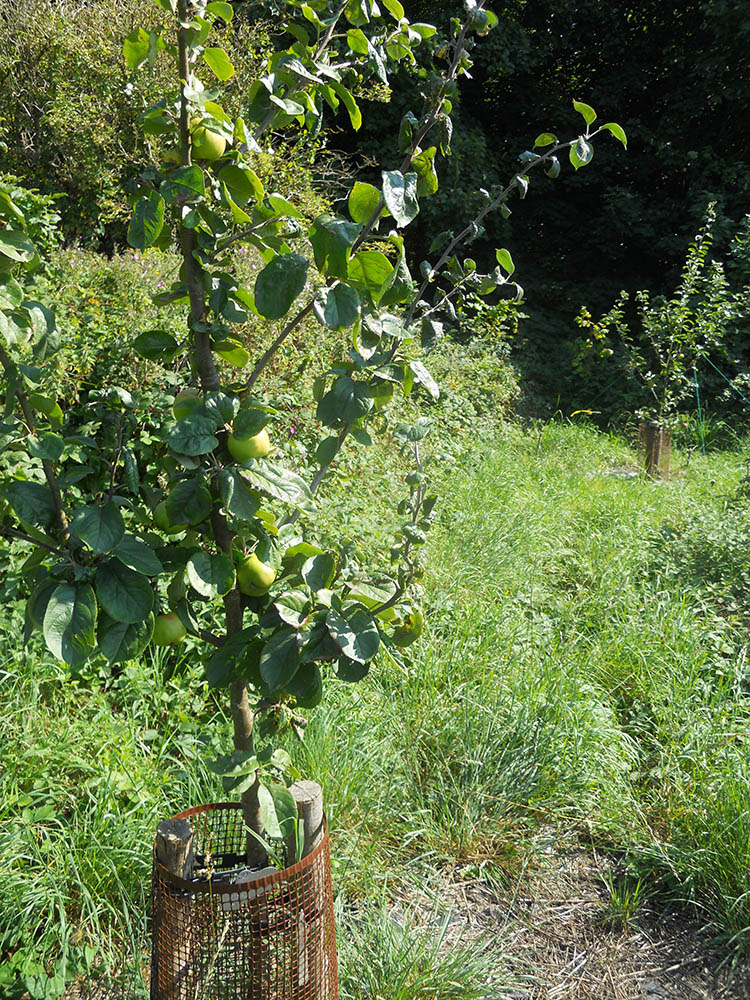
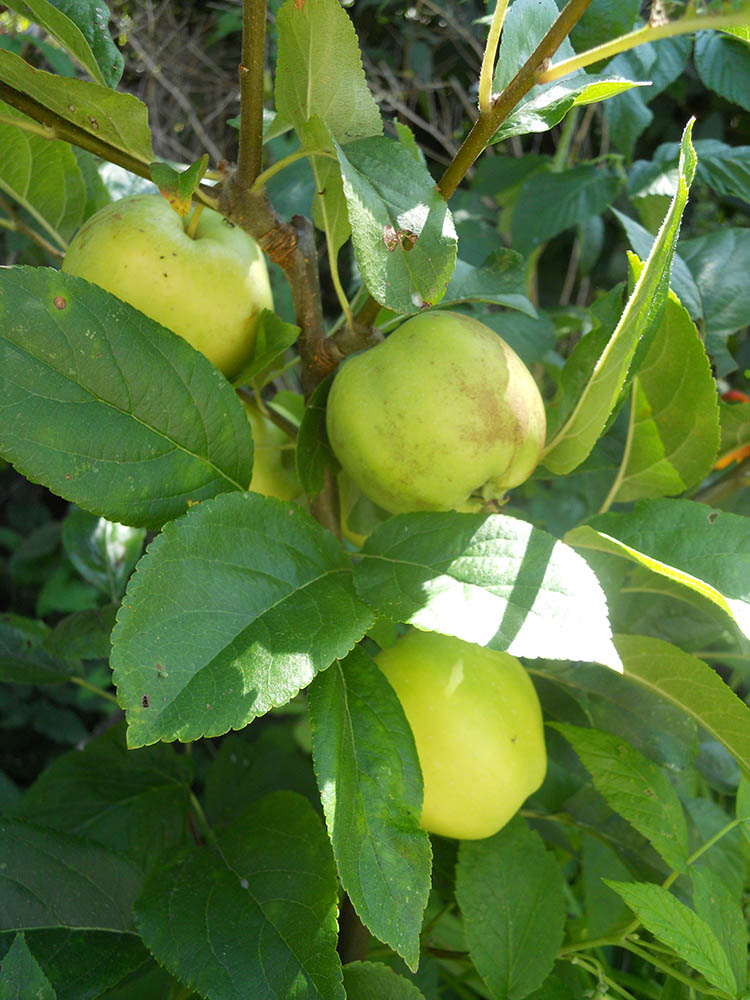
We are lucky enough to live right next to one of the best foraging zones, a public golf course. Also, a couple of years ago, my neighbour worked with the local ranger, the managers of the golf course, and Brighton Permaculture Trust to create a new community orchard in the ‘rough’ just by our homes. He’s since moved on, but I am now managing it with a couple of neighbours, and we are pleased with the way it’s developing. Mother nature seems to think that brambles make the perfect companion to apple trees, and I think she must be right: the jam recipe I have uses blackberries and cooking apples together.

So we gathered several pounds of blackberries and windfall apples from around the fruit trees. We’ve frozen some of the blackberries so that my husband can make blackberry and elderberry wine, and the rest I decided to make jam with.

It was fun making jam. I got both my teenage boys to help with stirring the pan and with testing the setting point. This was new territory for me so it was good to work together. To test the setting point you take the pan off the boil and dribble a spoonful onto a cold plate and put it in the fridge for a minute to cool. You know if it’s ready if it ‘crinkles’ when you push it with your finger. After 10mins of boiling we reached the setting point at our first try.

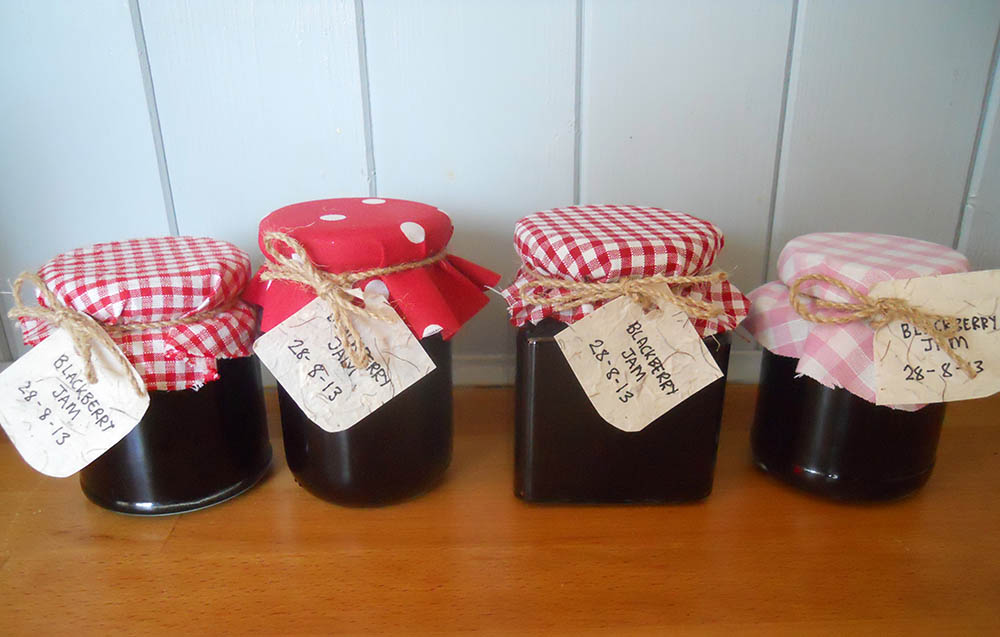
I had already saved a few jam jars and washed off the labels so all I had to do was put them in the oven at 140c for 15mins to sterilise them, and then pour in the jam. I put little circles of grease proof paper on the top and fixed the lids. Then I got all creative with fabric, string and labels. I think they’ll make good christmas presents (if they last that long!).

I’m going to share the recipe on Facebook so paste this address into your browser to find the page:

https://www.facebook.com/pages/Flo-Scott-Permaculture-Designs/295271353832624

Please let me know how your own jam making is going and let’s share recipes!

Garden Tour

GARDEN TOUR

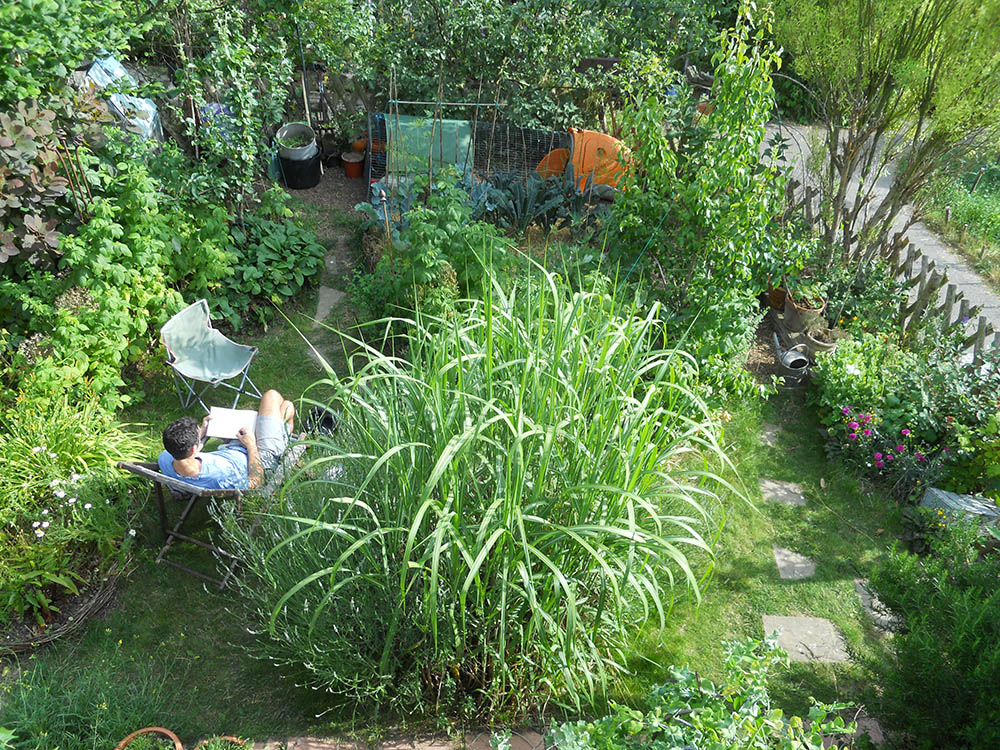
Hi again. As promised, it’s time to give you a little garden tour so I can show you how much the garden has grown since the last blog just over a month ago.

The hot settled weather has been great for the plants and they have grown very fast. I’ve had to do all my gardening and watering before 9am each morning so that I don’t get too much sun because the sun makes me ill, which is one of the biggest challenges of having Lupus. Even though I’m being careful I still have an increase in joint and tendon pain, so as promised I will also share with you how I manage chronic pain the natural way.

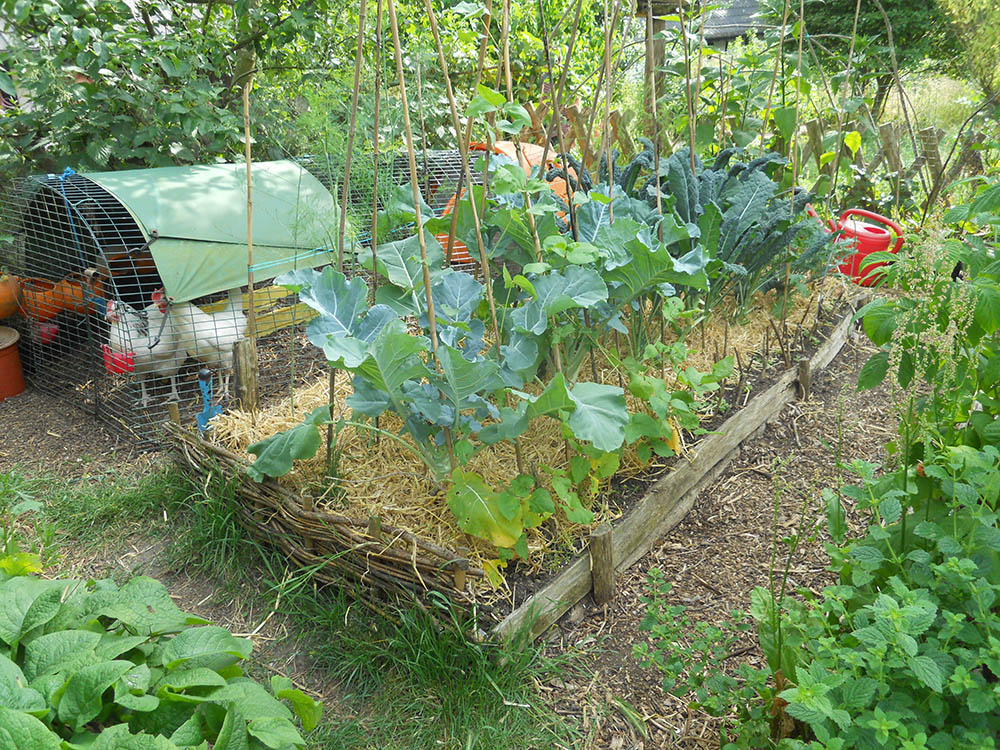
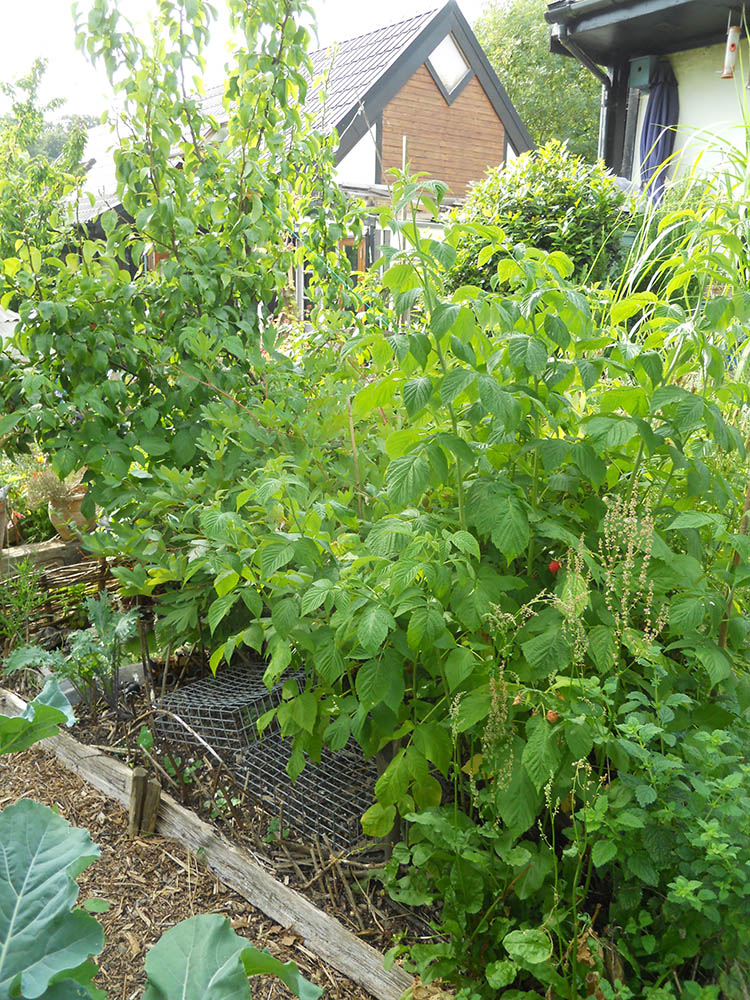
As those of you in the UK will have noticed, the weather has become very hot and settled and we are actually having a real Summer. This has meant that I’m watering the garden a lot with the water from our 4 water butts, but I’ve already completely drained one of them and so I’m needing to think about water-saving gardening techniques because it may not rain for a long time. So I’ve watered the beds thoroughly and then mulched with straw to retain the moisture and stop evaporation, which has immediately reduced the need for extra watering. The brassica plants are robust and healthy, alongside the Asparagus, all benefitting from the extra load of manure I added to the soil in the early Spring.

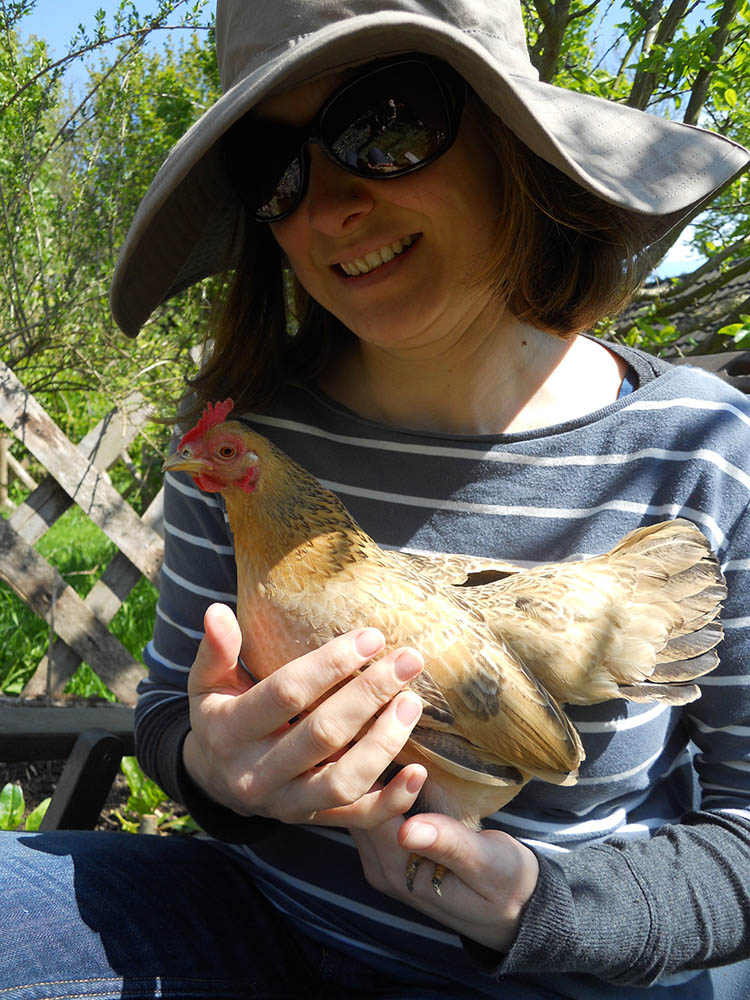
The hens are laying well, we are getting an average of 3 eggs a day from 5 hens (3 Hybrids and 2 Bantams) which isn’t bad going as one of the Bantams is broody at the moment and has stopped laying. We have to make sure they have plenty of water each day, as not having enough water will impact immediately on egg production and they’ll stop laying for up to 3 days.

The raspberries have started producing and I harvest a few for breakfast every day, along with strawberries and red currants. The Pear tree sadly only has 2 pears on it, I think this is because I pruned off some lower branches this Winter that were growing over the path and they might have been fruit bearing. I don’t think pollination was a problem this year (like it was last year) as another pear tree nearby is full of pears and the apple trees both have plenty of apples on them.

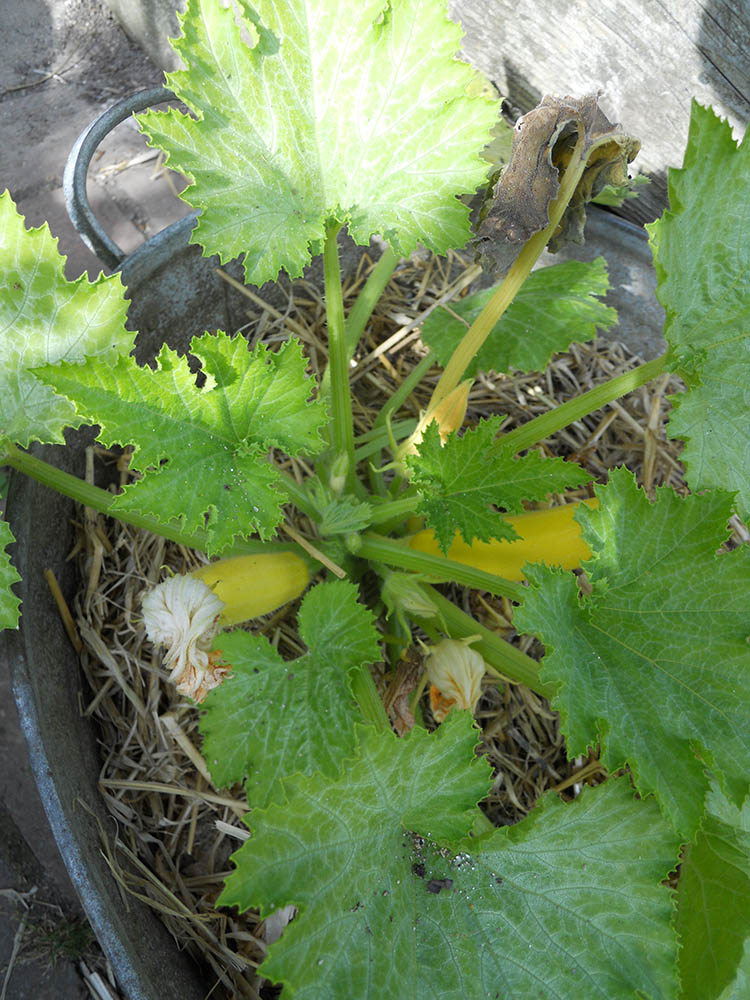
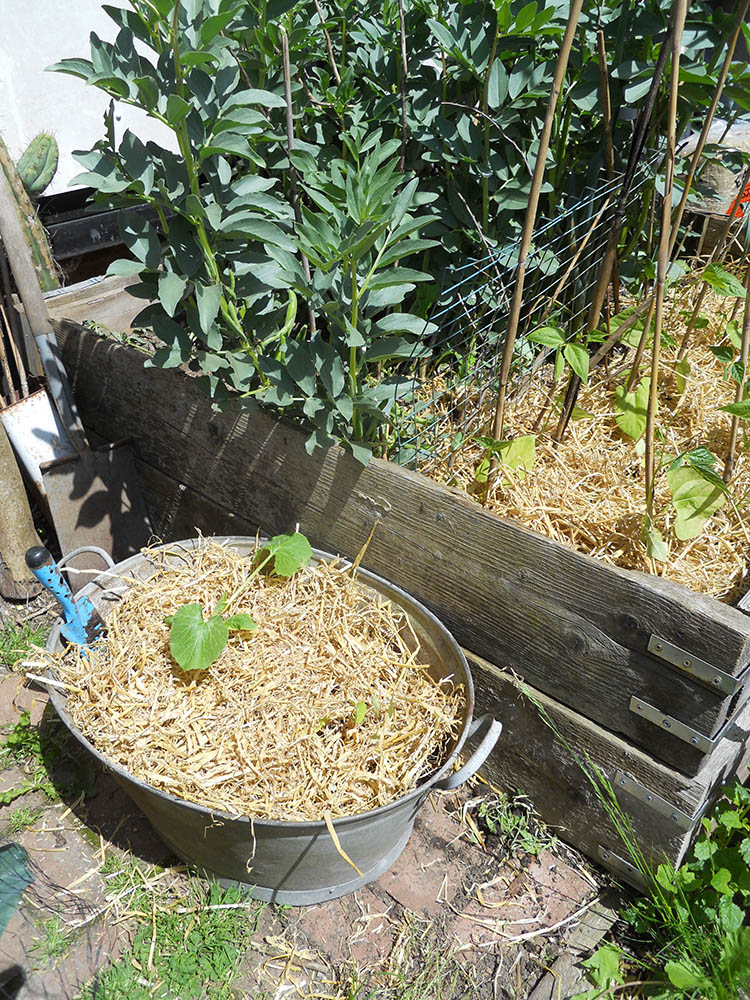
The courgette ‘Goldena’ in the tin bath is doing well and starting to produce beautiful yellow courgettes. I’ve harvested all the broad beans in the raised bed beside it, and sown leeks in their place and a few chard plants. I’ve had to protect these from the Bantam hens who’d got used to going there for a dust bath, so I’ve used a piece of trellis fencing stretched over it, with more sticks poked into the ground. But they are creatures of habit and were still looking for a nice spot to dig up among the french beans so I had to shoo them off and give them a tray of dust to bathe in instead.

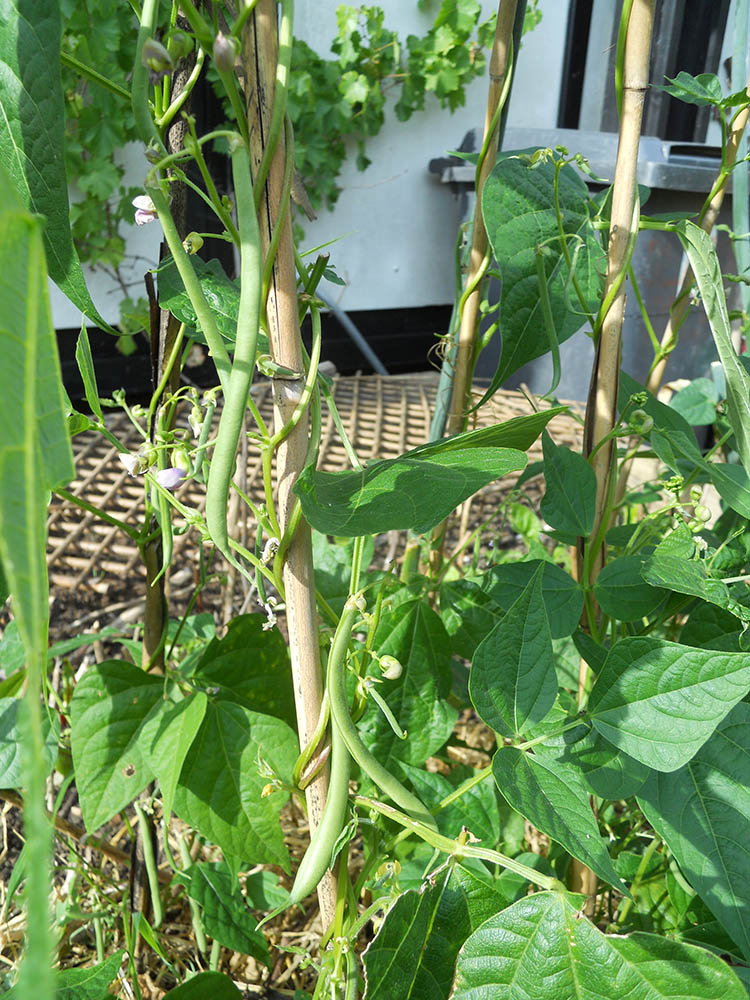
The french beans started producing lovely long stringless pods (‘Cobra’) just as the broad beans finished. Nice timing! The vine that’s growing in a large tub and climbing up the south facing wall of the house is looking lush but I can only find one bunch of grapes forming on it. I think it needs more fertility this year so I’m about to make comfrey tea to feed it with, I just need a bucket with a lid (it’s a very smelly business rotting down comfrey leaves in water!).

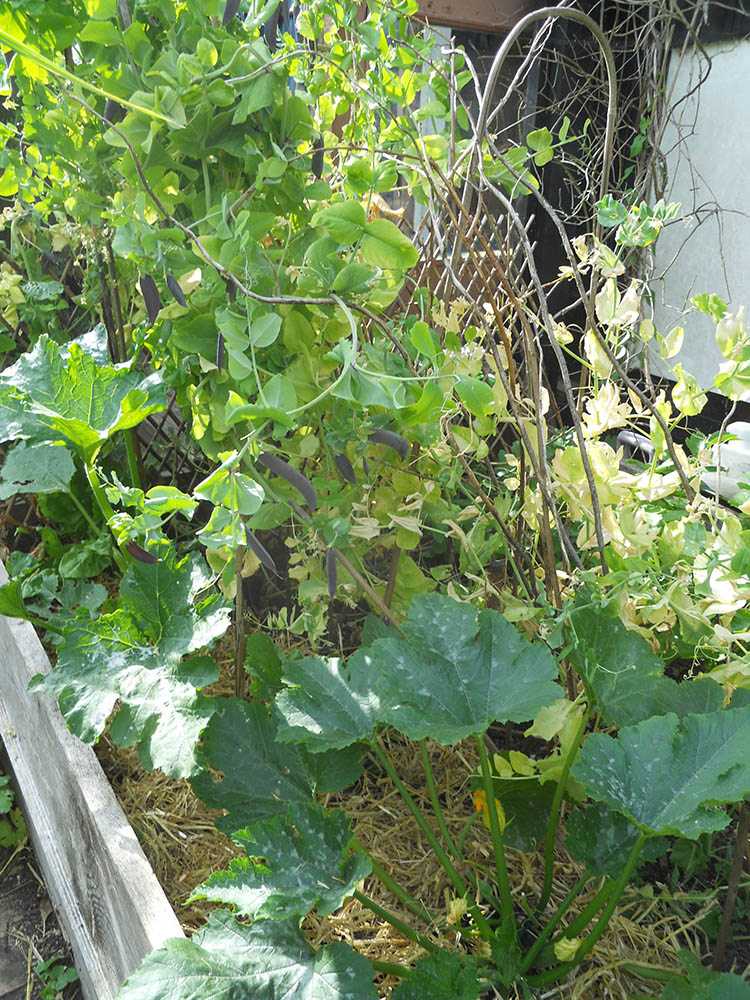
In the other raised bed the peas are going over, so I’m taking them out and putting in some outdoor cucumbers. When I take the peas out, I cut the stems at the base, leaving the peas’ roots in the ground. This is because they have nitrogen-fixing nodules on their roots which help improve fertility and provide nutrients for the next crop. In the front is 2 courgette plants, ‘Black beauty’ and behind the peas, parsnips.

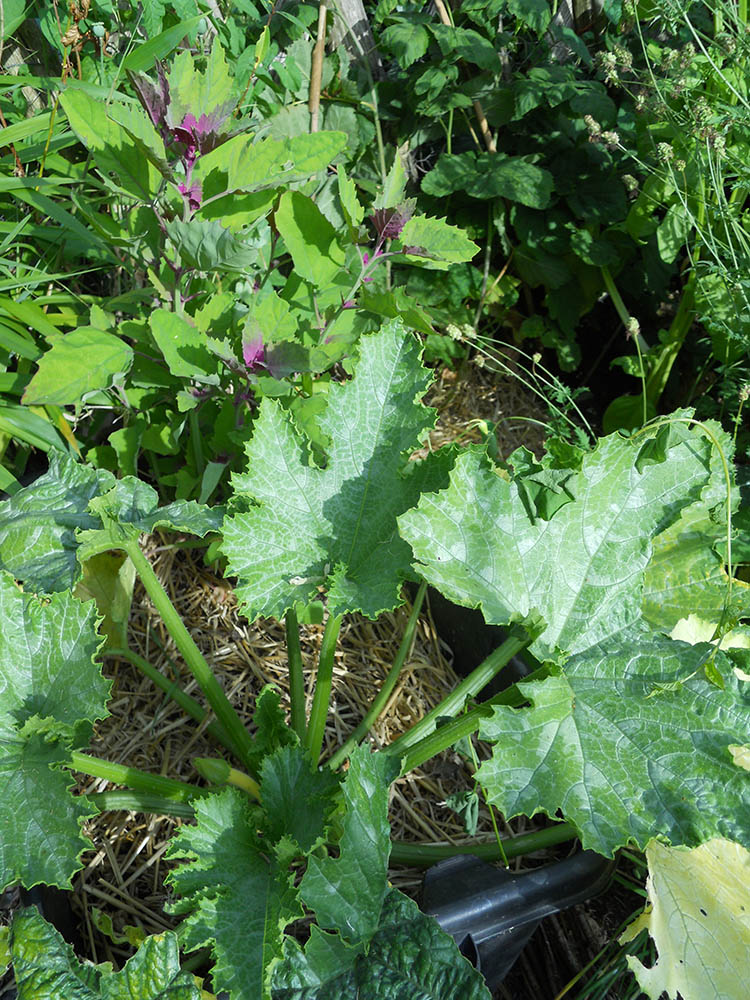
In an old recycling box I’m growing another ‘Goldena’ courgette and beautiful Tree Spinach with it’s pink/purple top leafy growth. When planting this container up, I put a thick layer of comfrey leaves in near the bottom so that the roots would reach them just as they rotted down and they’d make more nutrients available. I’d already grown the plants in pots in the propagator so it was just a case of planting them out into this container and they’ve grown really fast.

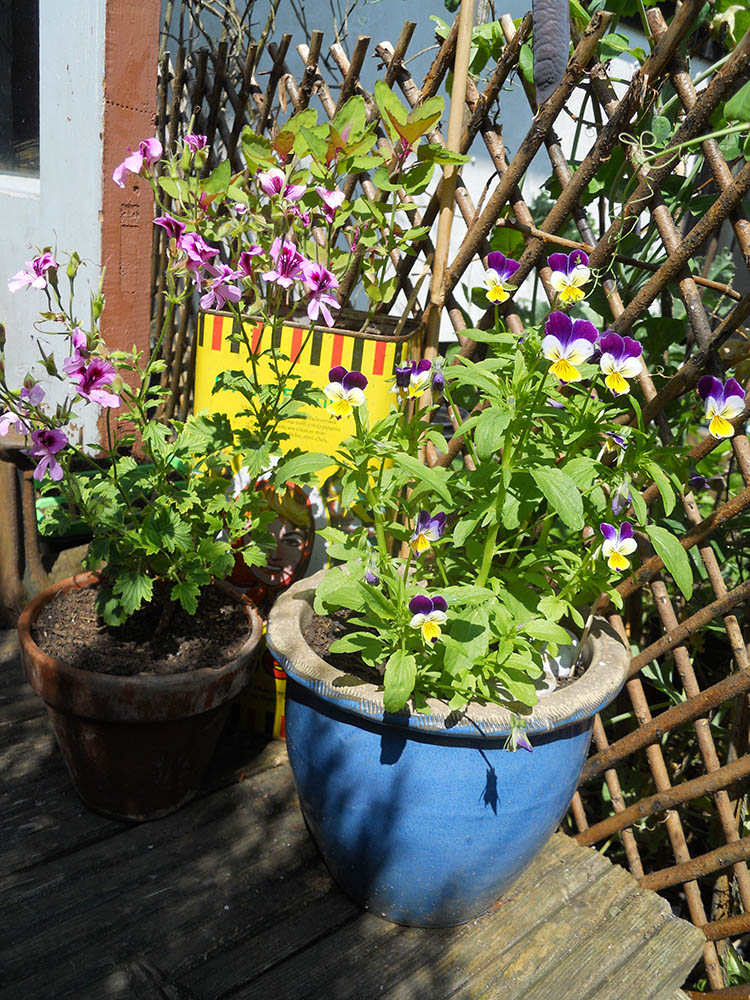
I’m really pleased with my containers and pots this year, finding unusual things to recycle and reuse as containers is a bit of a creative project for me. This year I found an old olive oil can and planted this up with some more Tree Spinach and put it with a couple of other pots with a Heartease viola and geranium on the decking. It’s really cheerful as you walk in, and convenient to nip out and grab a little something to cheer up a salad.

Now a few words about how I’m managing chronic pain in this summer heat. I found that a local herbalist shop (called Neals Yard) sells various herbs that are naturally anti-inflammatory such as camomile and calendula flowers and yarrow, that I take daily as a herbal tea. I also found that they sell a tincture ‘white willow bark’ which is what aspirin was derived from in the lab. I take 20-30ml of this tincture for headaches and stubborn joint pain when necessary. I’ve also found that manuka honey and ginger root is anti-inflammatory and make the perfect combination. I cut up a large piece of ginger root and simmer in a pan with around 1 litre of water for 20 mins. I then stir in a tbsp of the honey and leave to cool. It makes the perfect cordial (which I water down) on a hot day.

If I had a bigger garden I think I’d like to grow the kind of willow trees that the white willow bark can be extracted from. But as it is I might just be able to squeeze in more camomile and calendula, and a bit of yarrow too for next year. In this unstable economic time it feels comforting to know that some of these useful herbs can be grown myself.

I would be very interested to hear from anyone who is also using natural remedies to manage chronic pain and other health conditions. Do get in touch through my Facebook page (see link in top left box) and let me know. All comment and questions welcome.


Healthy eating from a healthy garden.

HEALTHY EATING FROM A HEALTHY GARDEN

As promised I’m going to share with you a few of the delicious meals I’ve been preparing for myself and my family over the past few weeks, and how my lovely garden has been supporting my health.

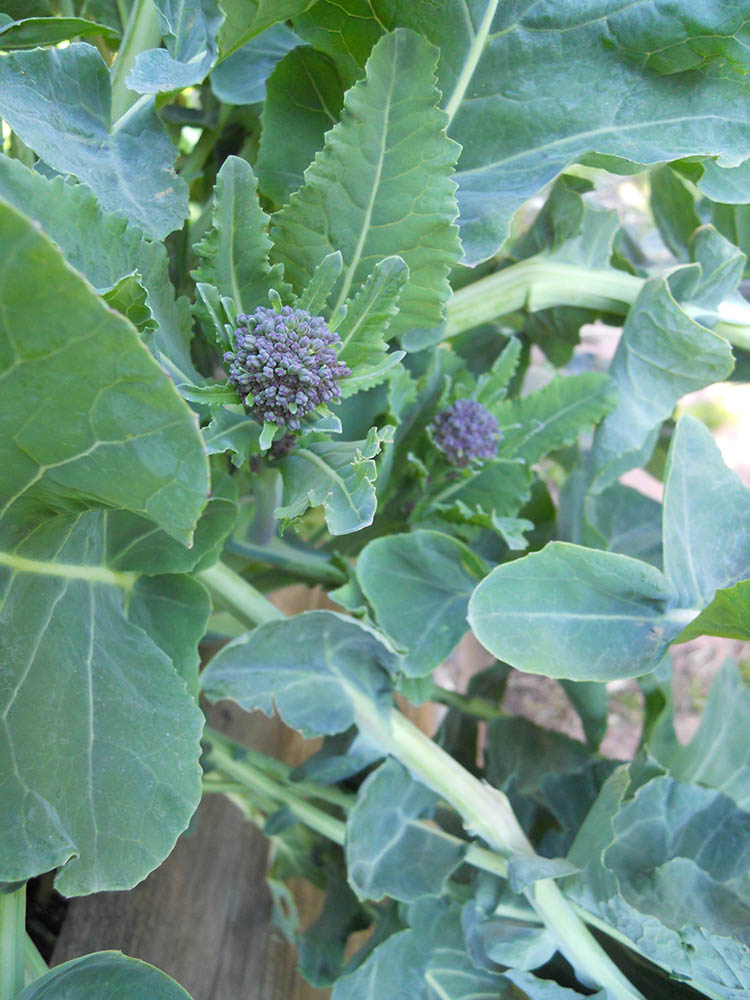
Here in the UK, Summer seems to have finally arrived and we have had more than two days in a row of fine settled sunny weather! The garden is growing really well at last, although I’m still shocked at how far behind some crops are. For example, my Purple Sprouting Broccoli is still producing prolifically and this means that my courgettes are still not in the ground. I’ve usually finished harvesting PSB at the end of April and then follow this with courgette or climbing bean in May, but I don’t want to rip out a plant that’s being so productive! So it’s PSB with nearly every meal until it’s done. In the meantime I’ve planted my first courgette plant out in an old tin bath (it has a hole in the bottom) with a Nasturtium to keep it company.

So what am I currently harvesting from my garden aside from a glut of PSB? I’ve just started harvesting the young broad bean pods and eating them whole, steamed with the PSB. The chard is still in full swing, which I eat raw as a salad leaf, or wilted and fried with garlic, or in a frittata. We have our own eggs from the hens. A large leafy salad will include: chard, sorrel, wild rocket, chives, violas, Jack-by-the-hedge, dill, young PSB leaves, radish and pea shoots. I like to eat green things with my meals because all that leafy goodness helps to balance the ph of the body (from acid to more alkaline) which is much better for general health. All this fresh organic food available in easy reach of my kitchen means that I’m able to access the nutrition I need to maintain a healthy balance in my diet without much effort or expense. This is one way that my garden in helping me to optimise my health.

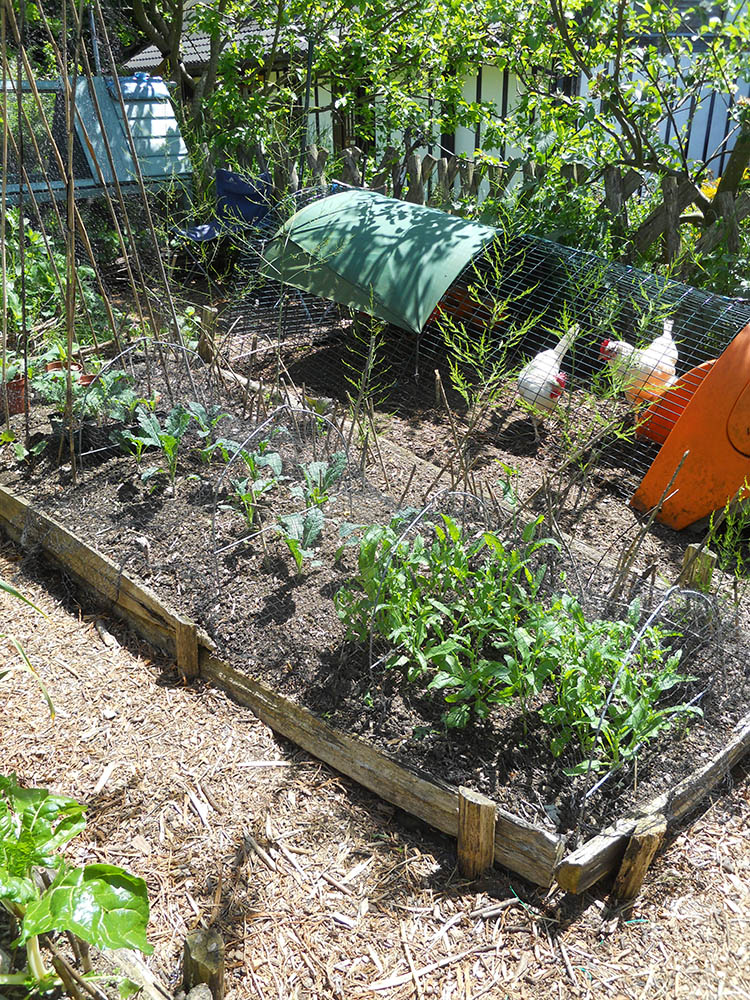
Another way in which my garden gives me so much benefit is it’s value as a natural space to relax and and engage with Nature. It has been well documented how beneficial it is for patients in hospital to be able to see a view of something natural, such as a tree outside the window. Indeed it speeds up the recovery rate of patients, and increases general wellbeing in all people whether they are sick or not. Even having something green to look at has been recorded to increase wellbeing in a recent study. Do have a look at my Facebook page if where I post lots of interesting things related to this topic (click on the link in the top left-hand box). In the picture to the left is a view of the end of my garden, there’s a shady space between the two chicken houses where I like to sit and watch the hens and the garden. It gives me so much pleasure so notice the small things; the flowers on the broad beans being visited by various bees, the strawberries forming on the plants next to me, the new brassica plants growing a little taller, the birds visiting the feeders, the beautiful apple blossom. It also gives me a good perspective of the garden where I might notice what’s working in my design and what might need tweaking.

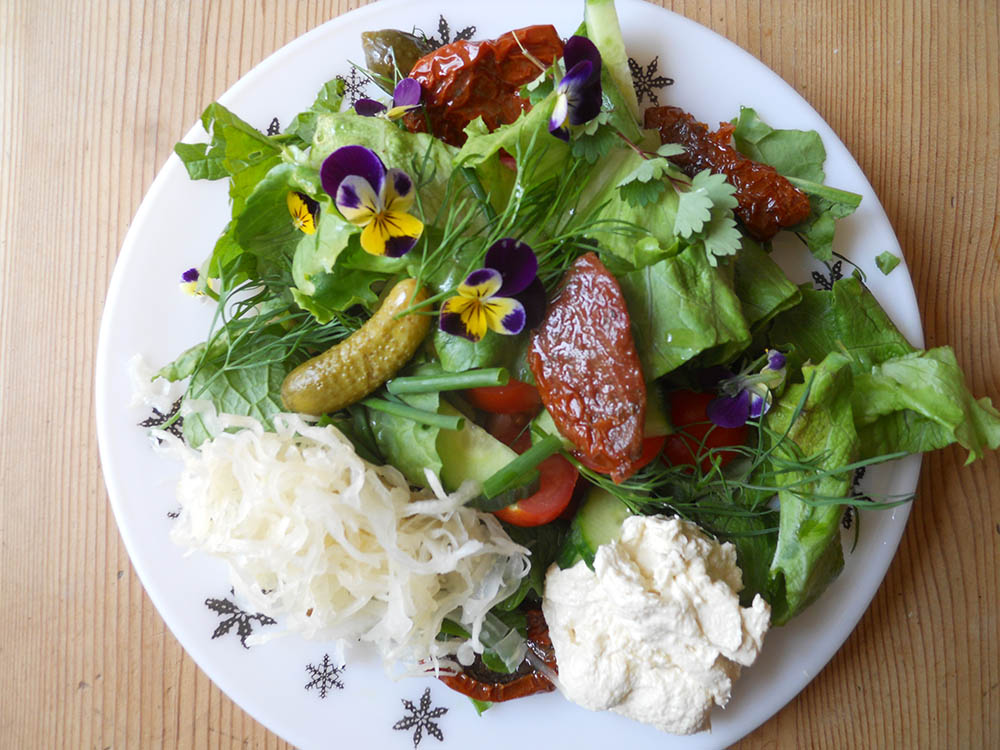
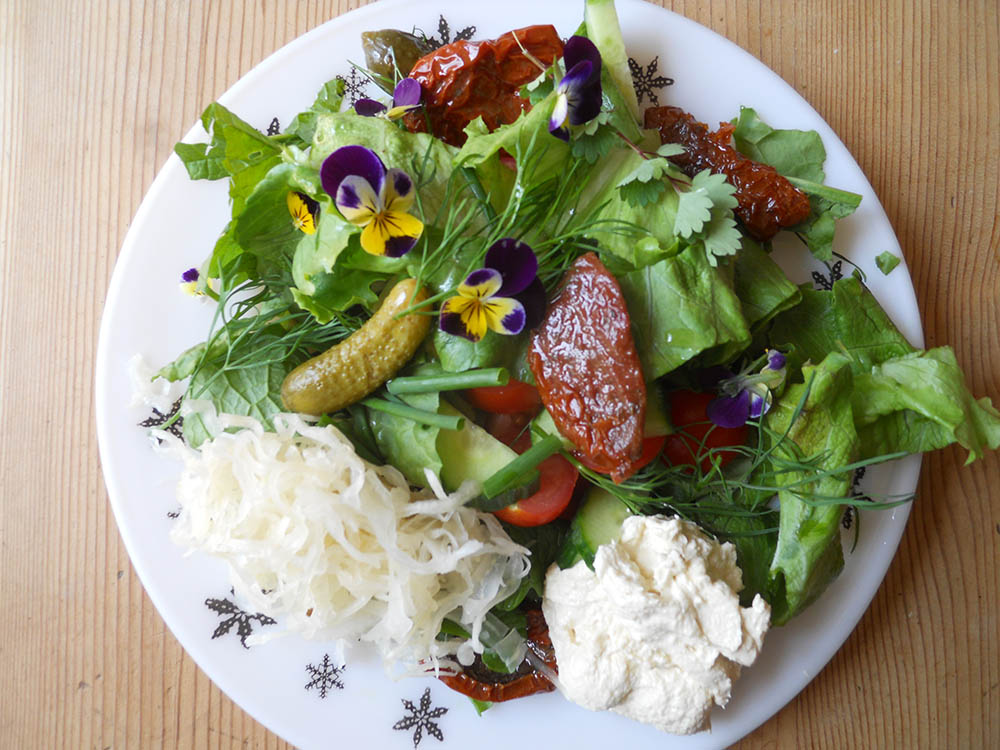
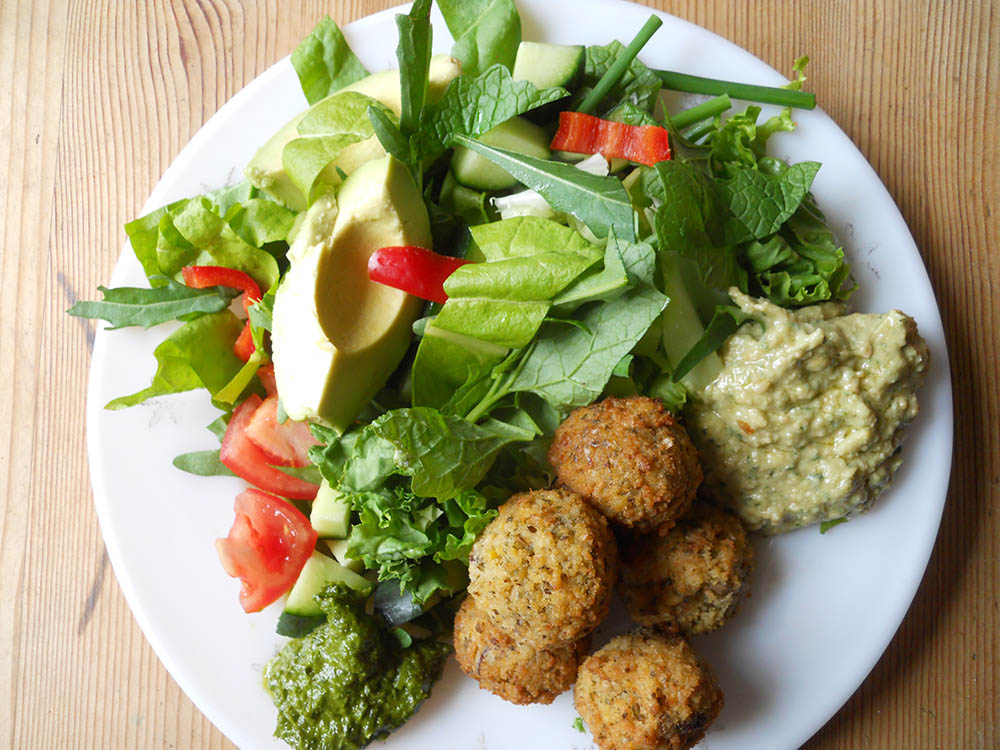
Here’s a typical meal I might have on a Monday or Tuesday (see previous blog for my latest diet design), with lots of leafy greens from the garden and some tasty things from the local whole foods shop. In the salad from the garden: lettuce, dill, salad burnet, sorrel, chives, Jack-by-the-hedge and violas. On the side: organic raw Sauerkraut, organic humous. Tasty extras: sun dried tomatoes, pickled Cornichons, cherry toms, cucumber and a few capers.

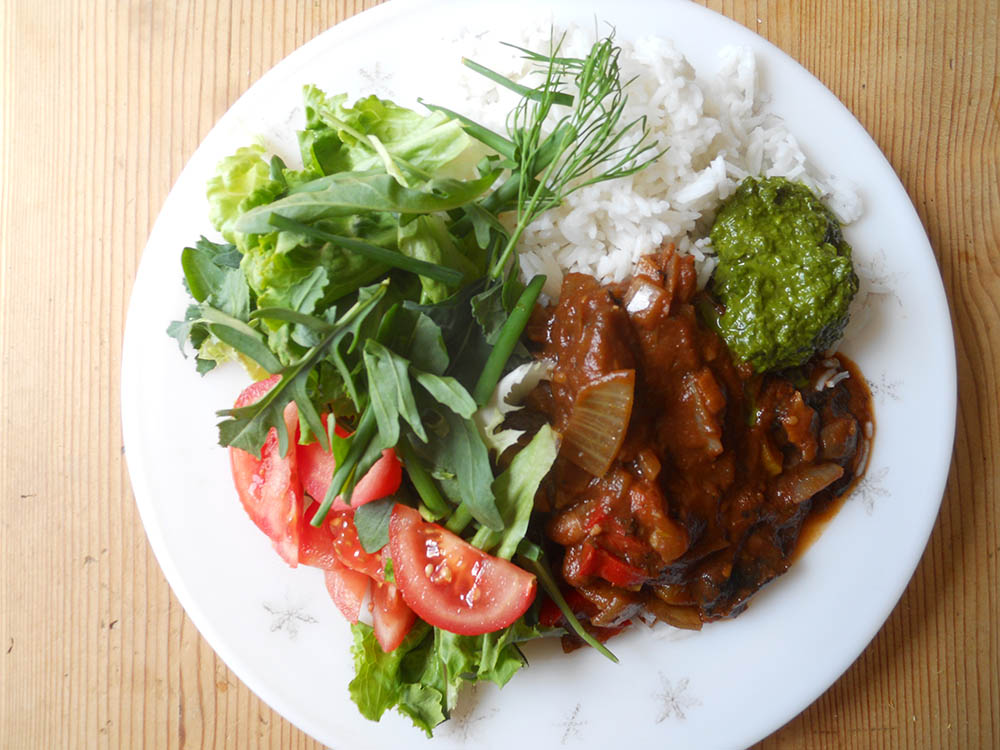
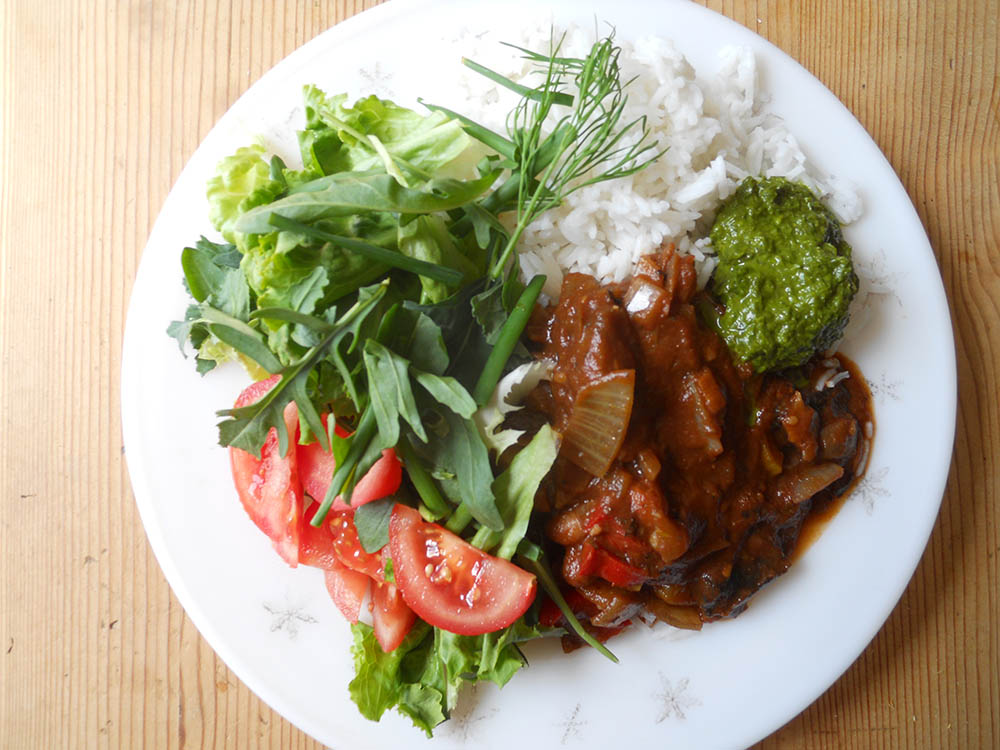
Later in the week I might have something like this. It’s a home made vegetable chilli with fresh salad from the garden with fresh tomatoes and a hemp oil, apple cider vinegar and garlic dressing, and white or brown basmati rice. In this particular meal I was lucky enough to add a home made (by my next door neighbour) wild garlic puree. Delicious. If you are on Pinterest you might fancy following my ‘healthy eating’ board, where I regularly share my meals and other healthy recipes. Here’s the link:

http://pinterest.com/flosnook/healthy-eating/

I’m currently looking at natural ways to manage chronic pain, so my next blog will include my research and findings about this, along with an update from my garden. 


Designs for healthy eating

DESIGNS FOR HEALTHY EATING

Many of you will know that I have an auto-immune disease called Lupus, and I have been finding natural ways to manage it, many of which I mention in the article that I wrote for Permaculture Magazine (“Optimise your health” -issue no. 75). There was however little room to write about how I’ve tailored my diet in the article, so I thought I’d write in more detail about it here.

Over the course of the past year, I have tailored a mixture of diets to help me. It has been a work in progress – a design that has seen many ‘tweaks’! I initially took advice from a very good Nutritional Therapist, who advised me on what diet I should stick to, and what supplements I might need. I’m not a great fan of taking loads of expensive supplements  -I feel that I’d rather be getting what I need from my diet- but she suggested that I might need to take a few for a short time as my body’s digestion wasn’t functioning as well as it should. There are so many diets out there making huge healing claims such as “The Lupus Recovery Diet”, the “anti-inflammatory diet” and the “GAPS” diet, so if you are thinking of trying to eat your way to health, then I do recommend getting some support and sensible advice from a Nutritional Therapist before you start.

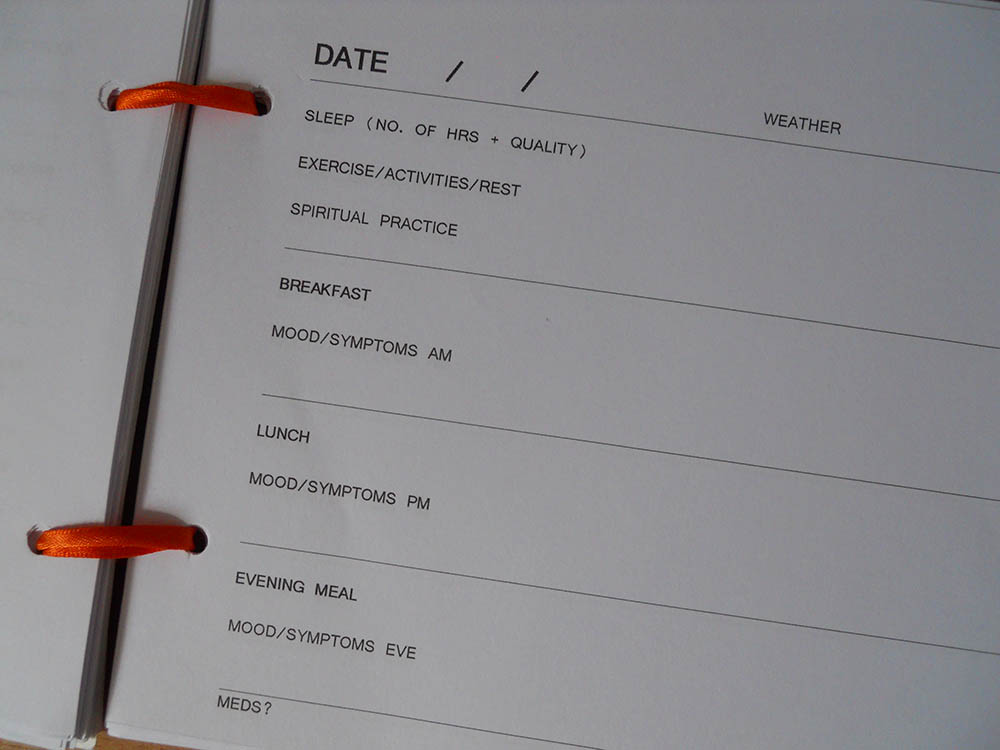
Food/mood/symptom diaryAs I said, it’s taken me more than a year to tailor my diet, taking the best of each thing I tried, so don’t expect to jump straight in. It takes time and an experimental approach, closely monitored by a food diary, recording any reactions and benefits as you go. Beware! I found that cutting out certain foods produced a very emotional response! I had to be very gentle with myself and ask for support where I needed it.

Well known inflammatory foods are gluten, dairy and sugar, so it’s a good idea to try eliminating these. I had already been wheat free for 6 years, so going gluten free (gf) wasn’t too bad. I had to make small changes like buying gf oats and avoiding Rye bread, but on the whole that was OK. I really don’t rate the gf breads you find in the supermarket but sometimes I eat a couple of slices of toast to eat with beans or scrambled egg, but I aim to avoid it most of the time. Instead I tailor my lunches and snacks to be bread-free, using gf oat cakes, left over rice, falafel and sweet potatoes instead, for example.

I’d also given up dairy and sugar before, so I knew I could do it again, but felt cheated! I liked to sometimes have a little treat, like a creamy gf cake, or a cheesy gf pasta and I felt deprived to never allow myself the odd thing. I had however noticed that eating these foods did result in worse joint pain and increased inflammation in my body, so it was worth being very careful with them. My new diet allows a small amount of dairy each week, and sugar on special occasions.

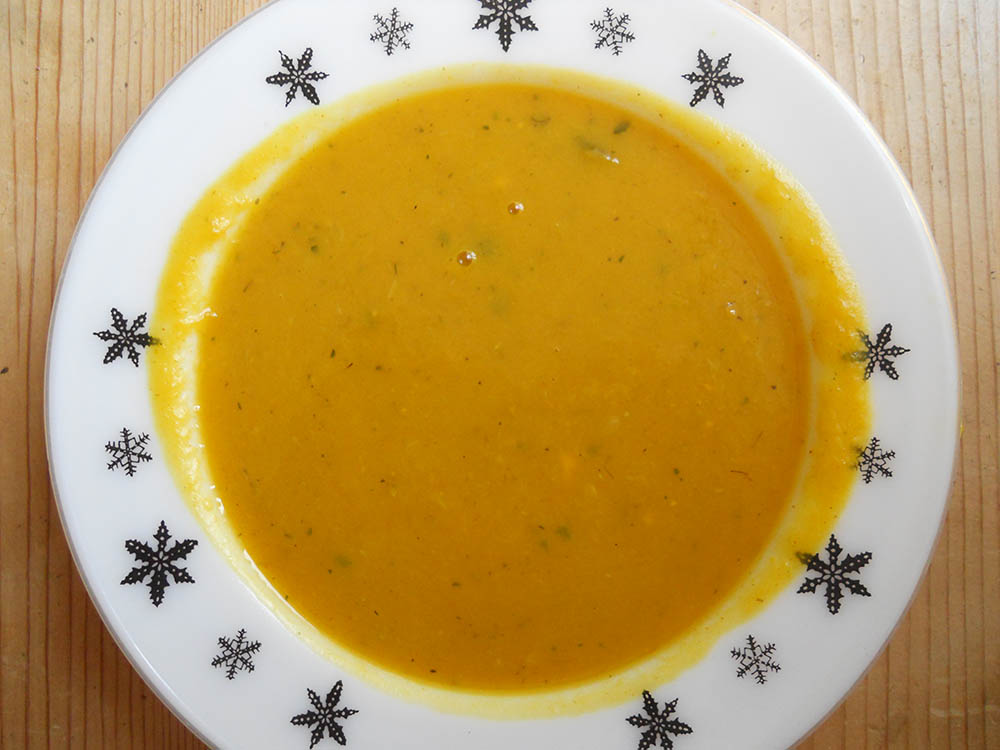
squash soup with chicken stockOther foods that can be inflammatory, especially to Lupus, is red meat. For me it can make me feel nauseous and  flu-like, as it overwhelms my digestion, so I eat it only rarely, and only organic. I seem fine with chicken and oily fish is good for joint pain as it’s full of omega 3 fatty acids. Something I took from the GAPS diet was the use of an age-old remedy for chronic illness; making chicken stock from chicken bones. It’s well known as being a good gut healer and I do this regularly with the left over carcass from our roast dinner. I simply put the bones in a large pot of water, add a carrot, stick of celery and one onion, bring to the boil and then simmer on a low heat for 3 hours. Then I save it in the fridge for up to a week or freeze it for later use. It’s full of healing fats and great to use in soups and stews.

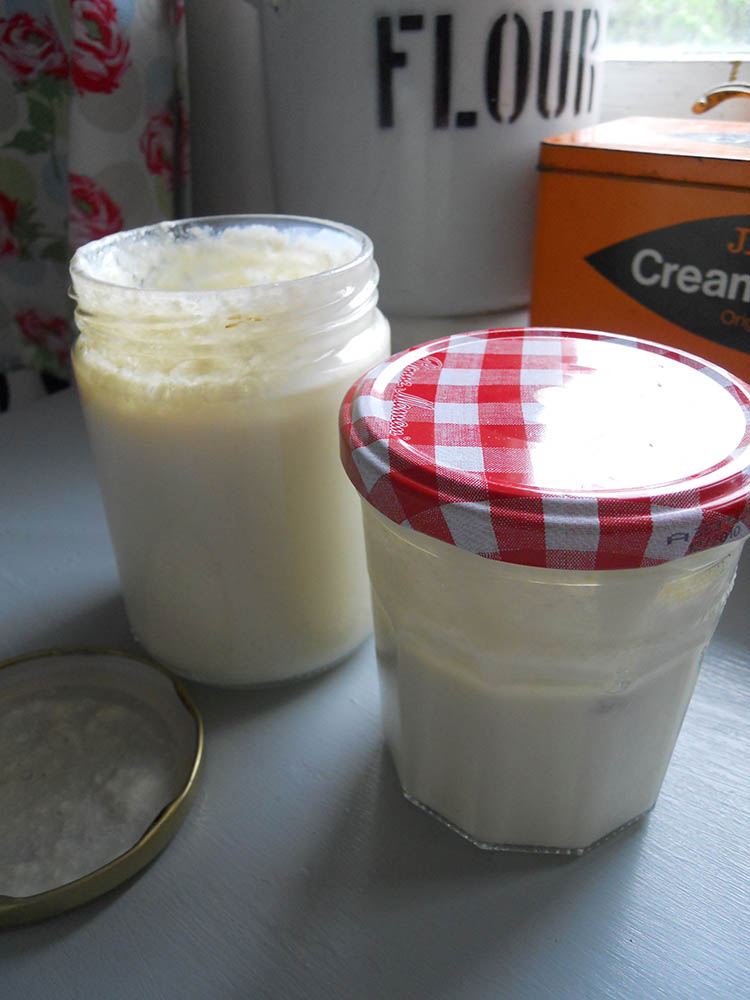
making kefir yoghurtAnother set of healing foods are those that are naturally fermented. They support the helpful bacteria in the body and kick out the nasty ones. I make my own Kefir yoghurt each week using soya milk (as my preferred dairy free option). Kefir is made from fermenting grains that you strain off and reuse over and over. They gradually multiply and I’ve been able to give some away to friends so they can start their own culture. I also eat Sauerkraut regularly and I take a tsp of raw apple cider vinegar when I feel I need to. I take the organic one that contains the ‘mother’, the fermenting culture that has so many health benefits.

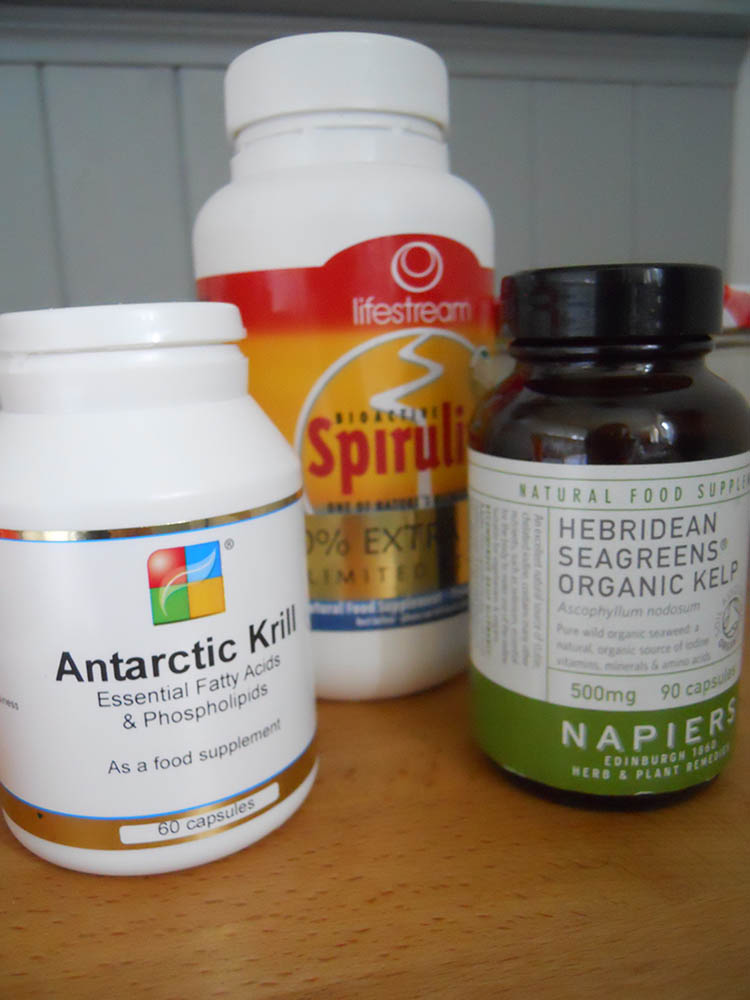
In terms of supplements, there are a few that I take. Krill oil capsules are rich in those helpful omega 3′s, but I’m debating the ethics of supporting an industry that sucks krill out of the Antarctic oceans, depriving the whales of their food, but it’s also such a pure and clean source. In the past I’ve taken fish oils bred in the pure clear waters in northern Norway. If you need to take omega 3′s to supplement your diet, it’s so important to get it from a very clean source, and one that hasn’t been heated too strongly during it’s manufacture (which undoes all the good and creates a product that will not be good for you).

I’ve been lucky in that my husband works for a wholefoods company and so many of the other supplements I take can be obtained from the local store at a discounted price. I take Kelp capsules every day for it’s high iodine content, which supports the Thyroid gland in creating the right balance between “too energetic” and “too lethargic”. I take Spirulina most days in fruit juice for it’s high content of protein, vitamins and antioxidants.

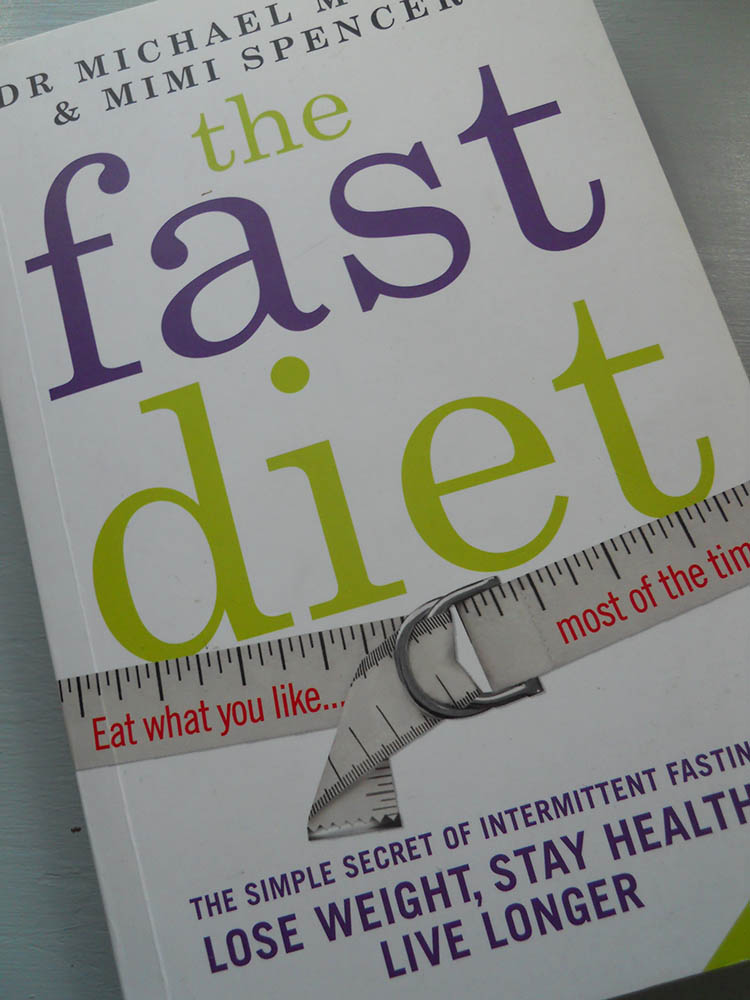
Last year Dr Michael Mosley made a TV program about his investigation into the benefits of fasting. What came out of that program was the increasingly well known “5:2 Diet”. You can now buy a book by him called “The Fast Diet. The secret of intermittent fasting”. In December 2012 I spend 3 weeks hardly able to eat much at all due to a stomach virus. After I recovered and started eating again, I noticed how much quieter my Lupus symptoms seemed to have become. I thought I’d try out the 5:2 diet for myself and my husband joined me. A ‘fasting day’ means eating 500 calories or less (600 for men) and you do this twice a week. I found it a good diet to follow because I was able to give my poor digestion a good break twice a week, and then could eat what I wanted the rest of the time (but still gluten free). This seemed to work well for several months, I had less pain and felt so much clearer in the head (the lupus ‘brain fog’ even left!). However by Easter time I found that the extraordinarily long cold winter was a bit too much on my body, so I felt I needed to start eating normally for a while to build myself up. I’d also lost a lot of weigh despite eating well on the non-fasting days, so I went for another ‘diet re-design’:
At the moment what seems to be working best for me is a 7 day routine:

MONDAY – A kind of adapted fast: Breakfast is just fruit, walnuts, kefir yoghurt, chia and sunflower seeds. Lunch is a piece of fruit or a small bowl of soup. Dinner is light with no grains or potatoes, often veggie.

TUESDAY – The same breakfast. Lunch is a large salad with humous, egg or avocado, no grains again, sometimes home made soup or roasted veg. Dinner is light with no grains, perhaps with fish or egg, and a large salad or lots of steamed veg.

WEDNESDAY – I introduce gf oats at breakfast (either porridge or home-mixed muesli), introduce rice or oat cakes at lunch, introduce brown rice at dinner (i.e. start eating grains).

THURSDAY – The same breakfast, bigger lunch, same sort of dinner, usually with some meat or fish.

FRIDAY – The usual breakfast. At lunch I might introduce a treat, like gf pancakes (made with soya milk) or a home made cake (sweetened with honey). At dinner we often we make a big chicken roast with all the trimmings as a Friday-feeling kind of celebration.

SATURDAY & SUNDAY – I eat Friday’s kind of meals but I might relax the diet a bit, occasionally eat red meat, a cake with sugar in, or go out for dinner. But I remain gluten free all the time. I would also make up the chicken stock from the previous roast and save it for making soups later in the week.

This seems sustainable for me. It means my body gets a break from digesting complex things once a week and I still get to eat treats at the weekend. It seems to be helping to optimise my health and generally speaking I have less pain and more energy. I don’t take any regular drugs now, just the occasional pain killer. However I still find the increasing UV levels in Spring a real challenge, as it definitely makes the Lupus more active. I have to slow down and look after myself from April-August each year, and is something I’ve grown to accept.

Please note: auto-immune diseases can be serious and sometimes life-threatening. Please do NOT stop taking your medication without first talking to your consultant and getting their full support before weaning off them, as I did.

Well I hope that all this information is helpful to some of you who are looking for natural ways to help optimise your health. Do stay in touch through my Facebook page which I check regularly and let me know how you are getting on (link is in top right hand box). I look forward to hearing from you.


In future blogs I will share with you pictures of what my favourite breakfasts, lunches and main meals look like, with recipes and ingredients lists.

Follow

Get every new post on this blog delivered to your Inbox.

Join other followers: