DESIGNS FOR HEALTHY EATING
 Many of you will know that I have an auto-immune disease called Lupus, and I have been finding natural ways to manage it, many of which I mention in the article that I wrote for Permaculture Magazine (“Optimise your health” -issue no. 75). There was however little room to write about how I’ve tailored my diet in the article, so I thought I’d write in more detail about it here.
 Over the course of the past year, I have tailored a mixture of diets to help me. It has been a work in progress – a design that has seen many ‘tweaks’! I initially took advice from a very good Nutritional Therapist, who advised me on what diet I should stick to, and what supplements I might need. I’m not a great fan of taking loads of expensive supplements -I feel that I’d rather be getting what I need from my diet- but she suggested that I might need to take a few for a short time as my body’s digestion wasn’t functioning as well as it should. There are so many diets out there making huge healing claims such as “The Lupus Recovery Diet”, the “anti-inflammatory diet” and the “GAPS” diet, so if you are thinking of trying to eat your way to health, then I do recommend getting some support and sensible advice from a Nutritional Therapist before you start.
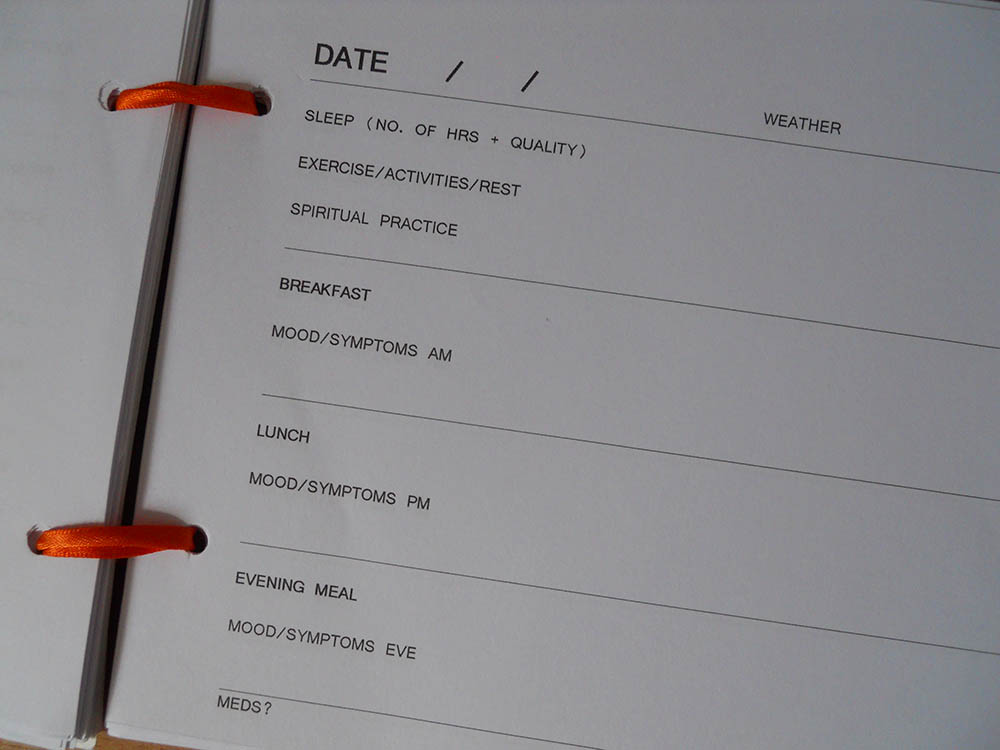 As I said, it’s taken me more than a year to tailor my diet, taking the best of each thing I tried, so don’t expect to jump straight in. It takes time and an experimental approach, closely monitored by a food diary, recording any reactions and benefits as you go. Beware! I found that cutting out certain foods produced a very emotional response! I had to be very gentle with myself and ask for support where I needed it.
 Well known inflammatory foods are gluten, dairy and sugar, so it’s a good idea to try eliminating these. I had already been wheat free for 6 years, so going gluten free (gf) wasn’t too bad. I had to make small changes like buying gf oats and avoiding Rye bread, but on the whole that was OK. I really don’t rate the gf breads you find in the supermarket but sometimes I eat a couple of slices of toast to eat with beans or scrambled egg, but I aim to avoid it most of the time. Instead I tailor my lunches and snacks to be bread-free, using gf oat cakes, left over rice, falafel and sweet potatoes instead, for example.
I’d also given up dairy and sugar before, so I knew I could do it again, but felt cheated! I liked to sometimes have a little treat, like a creamy gf cake, or a cheesy gf pasta and I felt deprived to never allow myself the odd thing. I had however noticed that eating these foods did result in worse joint pain and increased inflammation in my body, so it was worth being very careful with them. My new diet allows a small amount of dairy each week, and sugar on special occasions.
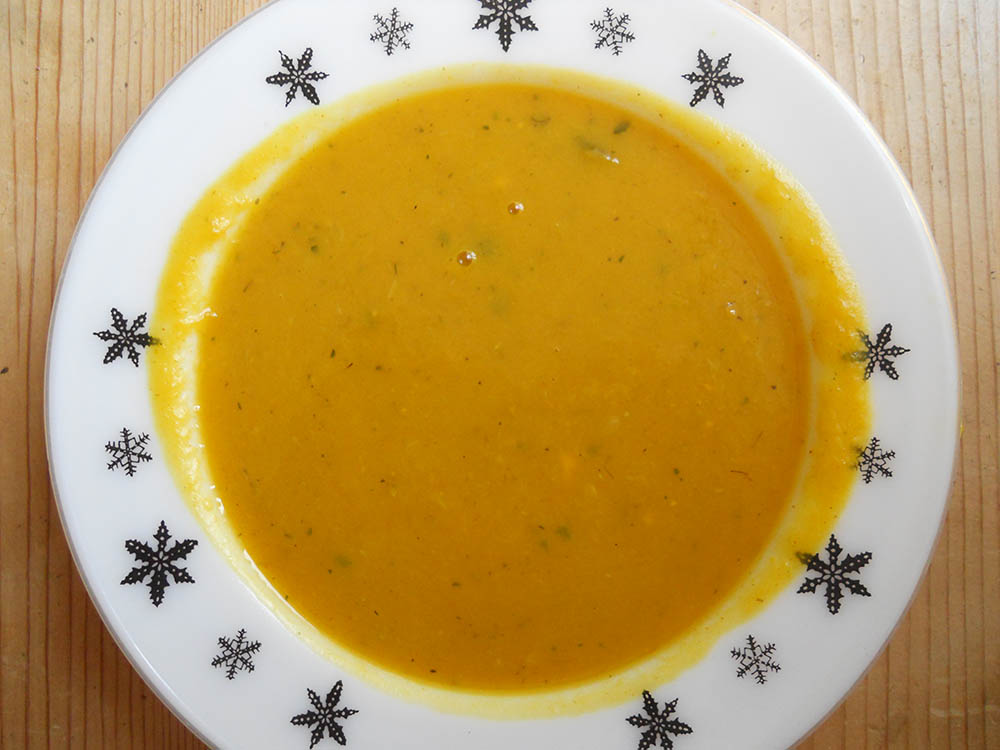 Other foods that can be inflammatory, especially to Lupus, is red meat. For me it can make me feel nauseous and flu-like, as it overwhelms my digestion, so I eat it only rarely, and only organic. I seem fine with chicken and oily fish is good for joint pain as it’s full of omega 3 fatty acids. Something I took from the GAPS diet was the use of an age-old remedy for chronic illness; making chicken stock from chicken bones. It’s well known as being a good gut healer and I do this regularly with the left over carcass from our roast dinner. I simply put the bones in a large pot of water, add a carrot, stick of celery and one onion, bring to the boil and then simmer on a low heat for 3 hours. Then I save it in the fridge for up to a week or freeze it for later use. It’s full of healing fats and great to use in soups and stews.
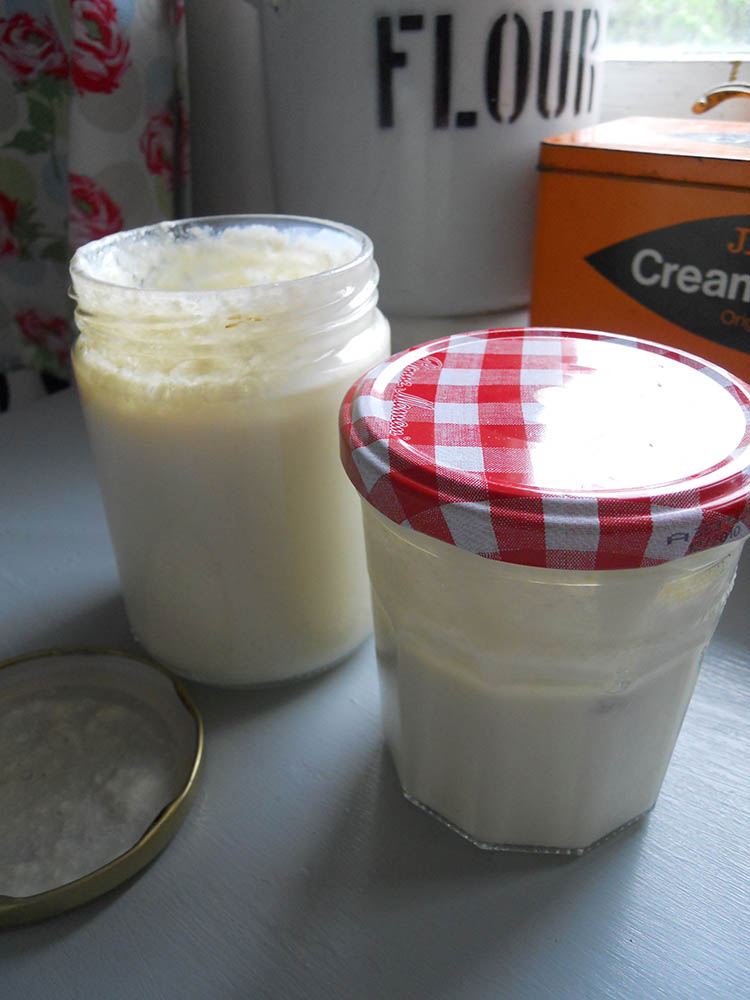 Another set of healing foods are those that are naturally fermented. They support the helpful bacteria in the body and kick out the nasty ones. I make my own Kefir yoghurt each week using soya milk (as my preferred dairy free option). Kefir is made from fermenting grains that you strain off and reuse over and over. They gradually multiply and I’ve been able to give some away to friends so they can start their own culture. I also eat Sauerkraut regularly and I take a tsp of raw apple cider vinegar when I feel I need to. I take the organic one that contains the ‘mother’, the fermenting culture that has so many health benefits.
In terms of supplements, there are a few that I take. Krill oil capsules are rich in those helpful omega 3′s, but I’m debating the ethics of supporting an industry that sucks krill out of the Antarctic oceans, depriving the whales of their food, but it’s also such a pure and clean source. In the past I’ve taken fish oils bred in the pure clear waters in northern Norway. If you need to take omega 3′s to supplement your diet, it’s so important to get it from a very clean source, and one that hasn’t been heated too strongly during it’s manufacture (which undoes all the good and creates a product that will not be good for you).
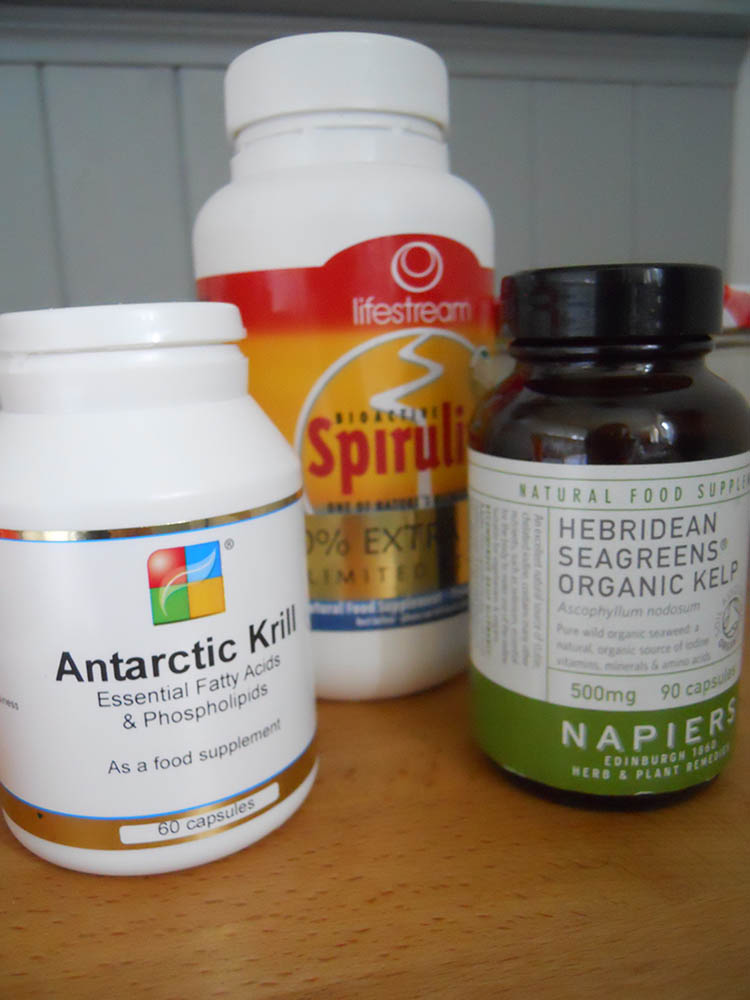 I’ve been lucky in that my husband works for a wholefoods company and so many of the other supplements I take can be obtained from the local store at a discounted price. I take Kelp capsules every day for it’s high iodine content, which supports the Thyroid gland in creating the right balance between “too energetic” and “too lethargic”. I take Spirulina most days in fruit juice for it’s high content of protein, vitamins and antioxidants.
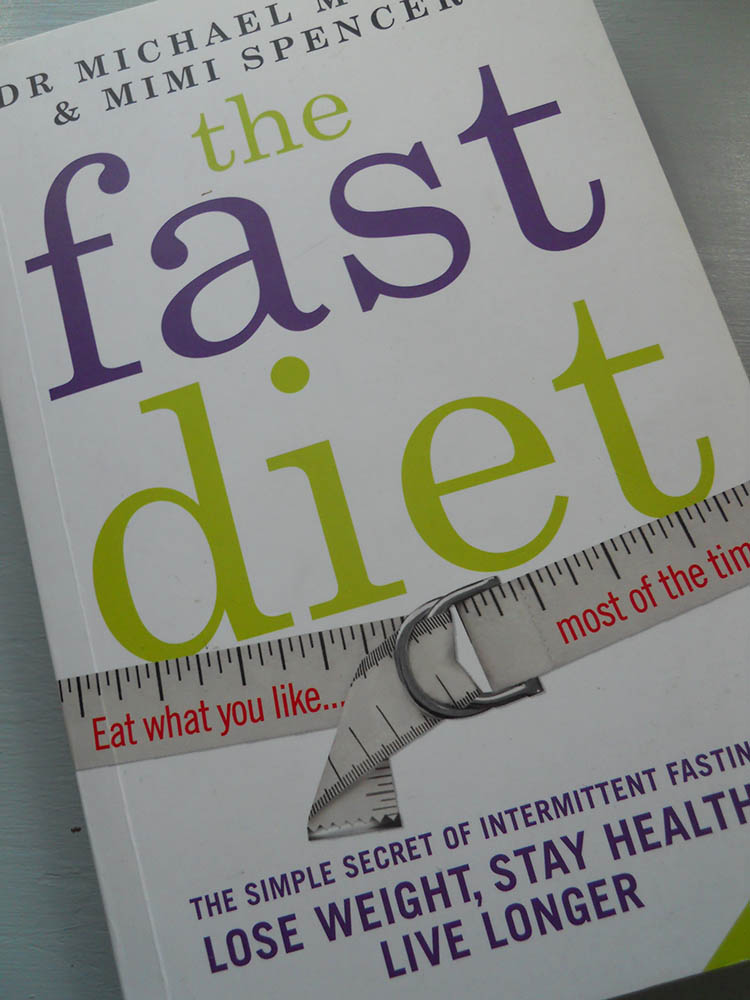 Last year Dr Michael Mosley made a TV program about his investigation into the benefits of fasting. What came out of that program was the increasingly well known “5:2 Diet”. You can now buy a book by him called “The Fast Diet. The secret of intermittent fasting”. In December 2012 I spend 3 weeks hardly able to eat much at all due to a stomach virus. After I recovered and started eating again, I noticed how much quieter my Lupus symptoms seemed to have become. I thought I’d try out the 5:2 diet for myself and my husband joined me. A ‘fasting day’ means eating 500 calories or less (600 for men) and you do this twice a week. I found it a good diet to follow because I was able to give my poor digestion a good break twice a week, and then could eat what I wanted the rest of the time (but still gluten free). This seemed to work well for several months, I had less pain and felt so much clearer in the head (the lupus ‘brain fog’ even left!). However by Easter time I found that the extraordinarily long cold winter was a bit too much on my body, so I felt I needed to start eating normally for a while to build myself up. I’d also lost a lot of weigh despite eating well on the non-fasting days, so I went for another ‘diet re-design’:
At the moment what seems to be working best for me is a 7 day routine:
MONDAY – A kind of adapted fast: Breakfast is just fruit, walnuts, kefir yoghurt, chia and sunflower seeds. Lunch is a piece of fruit or a small bowl of soup. Dinner is light with no grains or potatoes, often veggie.
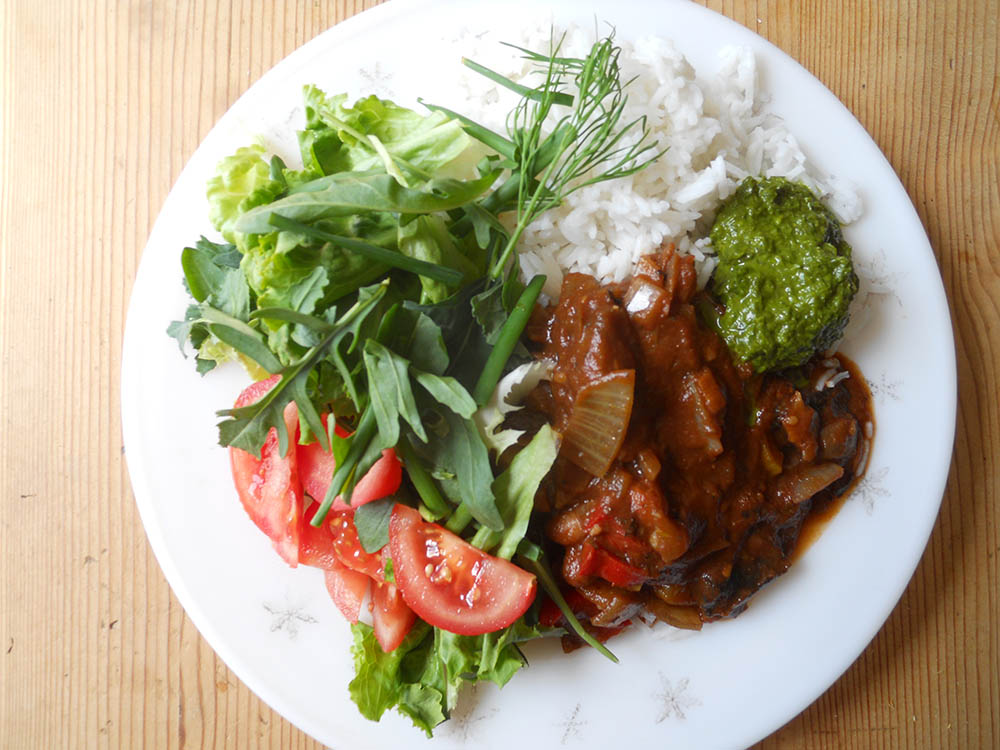
TUESDAY – The same breakfast. Lunch is a large salad with humous, egg or avocado, no grains again, sometimes home made soup or roasted veg. Dinner is light with no grains, perhaps with fish or egg, and a large salad or lots of steamed veg.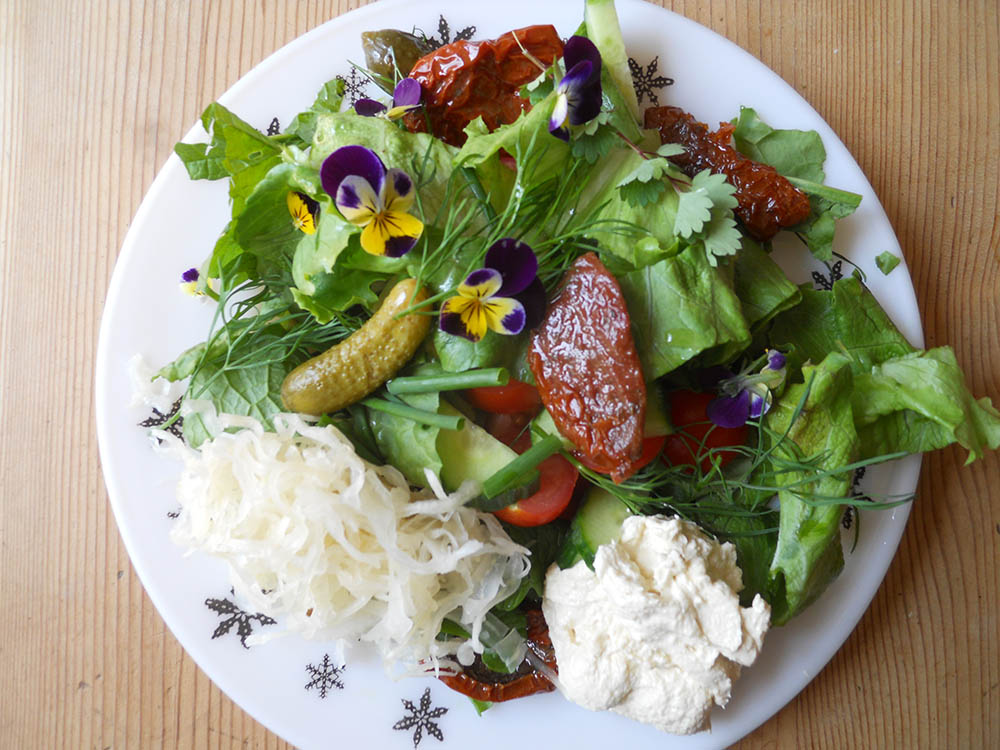
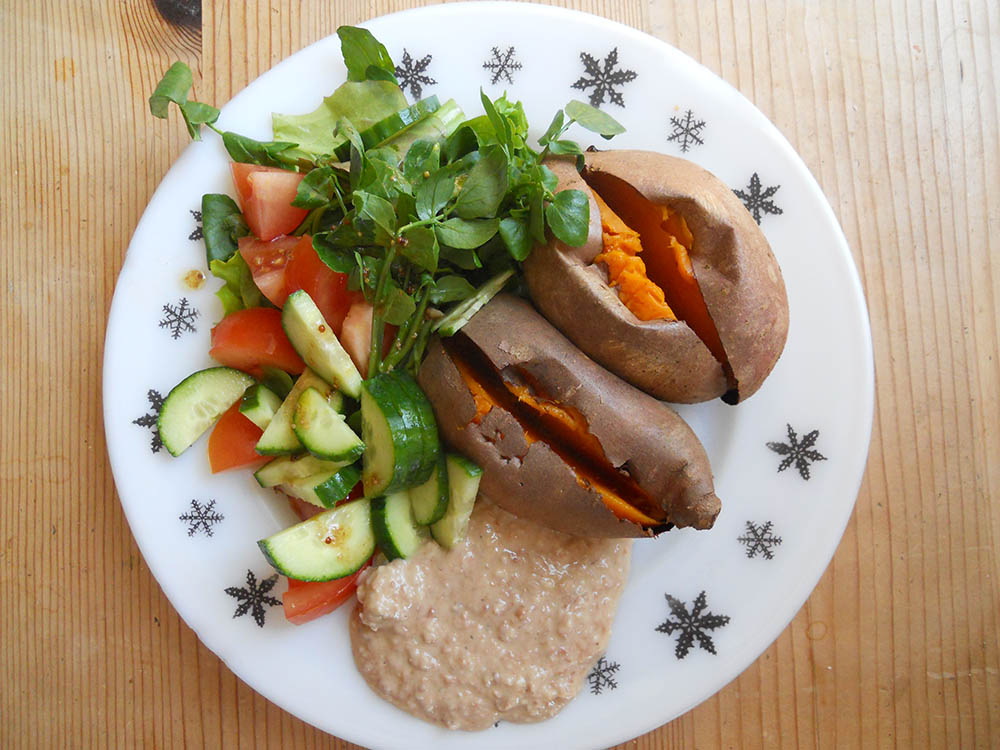
WEDNESDAY – I introduce gf oats at breakfast (either porridge or home-mixed muesli), introduce rice or oat cakes at lunch, introduce brown rice at dinner (i.e. start eating grains).
THURSDAY – The same breakfast, bigger lunch, same sort of dinner, usually with some meat or fish.
FRIDAY – The usual breakfast. At lunch I might introduce a treat, like gf pancakes (made with soya milk) or a home made cake (sweetened with honey). At dinner we often we make a big chicken roast with all the trimmings as a Friday-feeling kind of celebration.
SATURDAY & SUNDAY – I eat Friday’s kind of meals but I might relax the diet a bit, occasionally eat red meat, a cake with sugar in, or go out for dinner. But I remain gluten free all the time. I would also make up the chicken stock from the previous roast and save it for making soups later in the week.
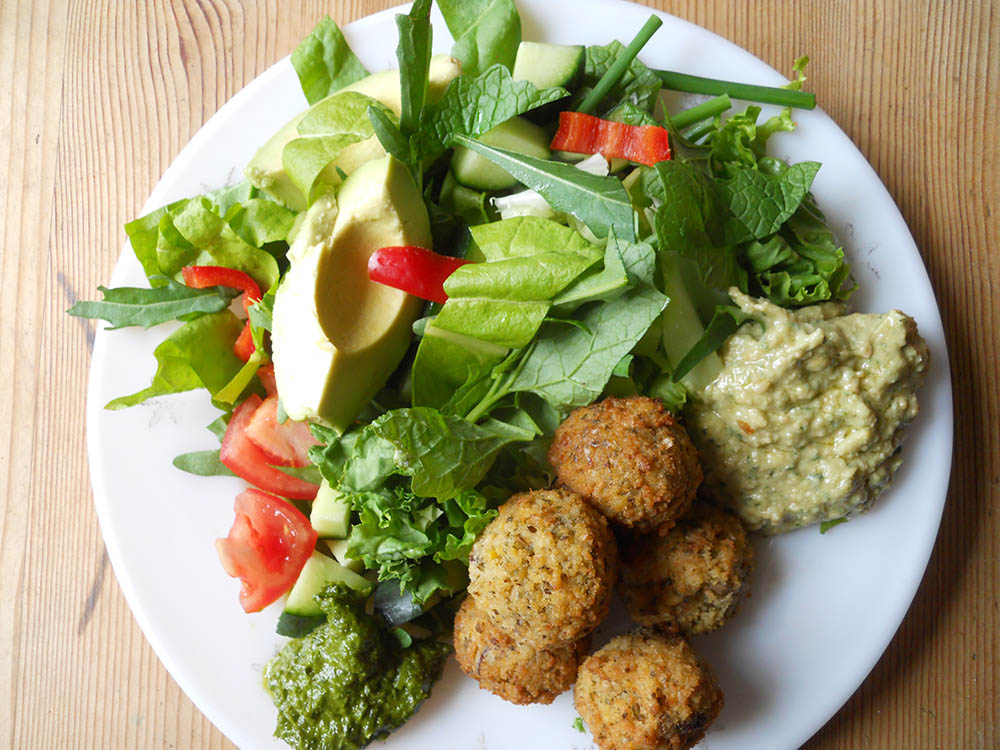 This seems sustainable for me. It means my body gets a break from digesting complex things once a week and I still get to eat treats at the weekend. It seems to be helping to optimise my health and generally speaking I have less pain and more energy. I don’t take any regular drugs now, just the occasional pain killer. However I still find the increasing UV levels in Spring a real challenge, as it definitely makes the Lupus more active. I have to slow down and look after myself from April-August each year, and is something I’ve grown to accept.
Please note: auto-immune diseases can be serious and sometimes life-threatening. Please do NOT stop taking your medication without first talking to your consultant and getting their full support before weaning off them, as I did.
Well I hope that all this information is helpful to some of you who are looking for natural ways to help optimise your health. Do stay in touch through my Facebook page which I check regularly and let me know how you are getting on (link is in top right hand box). I look forward to hearing from you.
In future blogs I will share with you pictures of what my favourite breakfasts, lunches and main meals look like, with recipes and ingredients lists.
